Explore how neurodivergent artists and art therapy are reshaping the $65 billion fine art market. A sophisticated editorial on creativity, cognitive difference, and the future of luxury fine art.
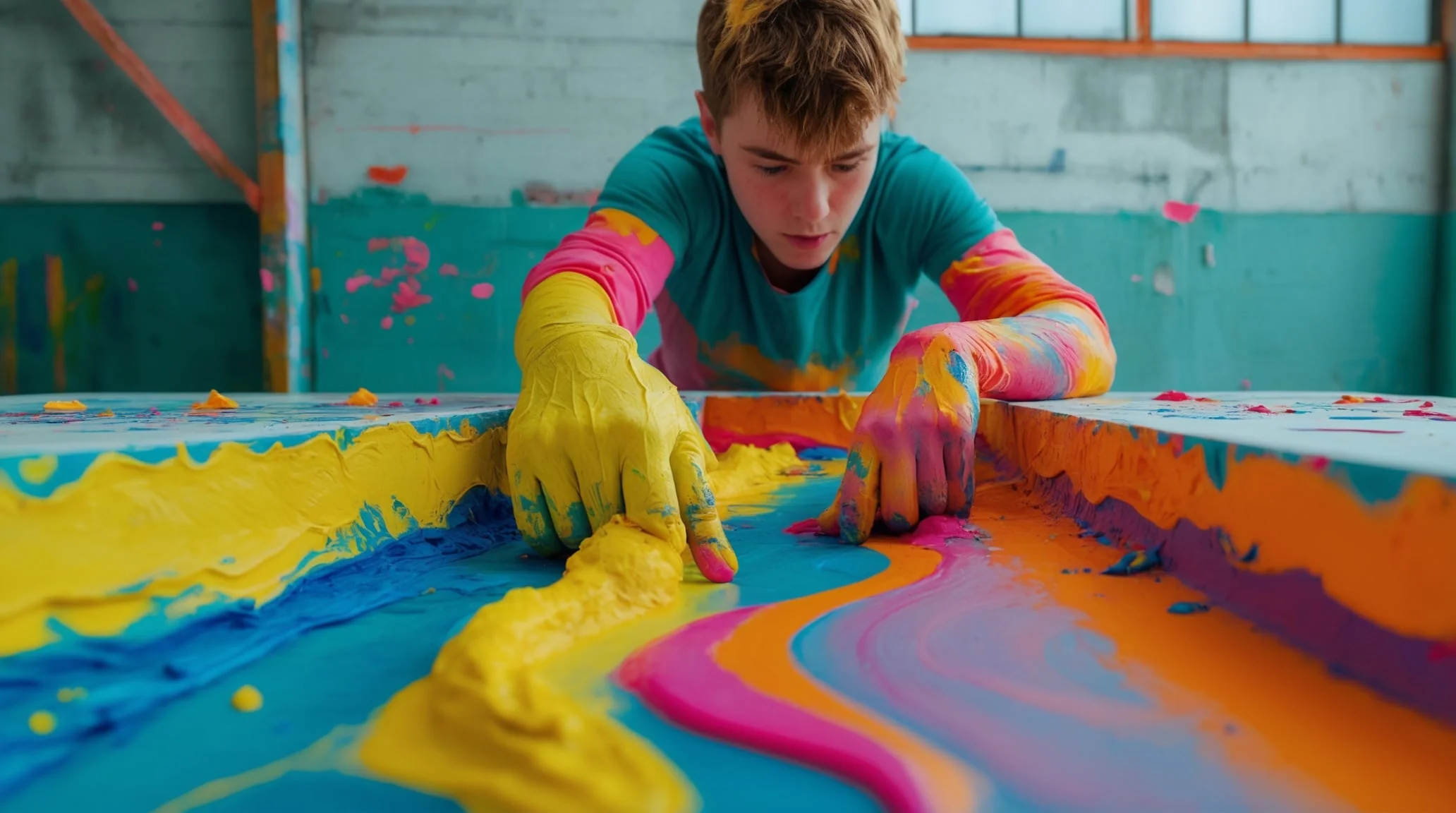
The Brain That Breaks the Rules
There is a long, uncomfortable history in the art world of celebrating cognitive difference only in retrospect. Van Gogh's obsessive mark-making. Yayoi Kusama's compulsive dot patterns born from hallucinations she has described openly for decades. The late Jean-Michel Basquiat, whose raw, fractured visual language carried the hallmarks of a mind that processed the world at a different frequency entirely. The genius was always present. The diagnosis came later, if at all.
Today, that dynamic is shifting in real time, and the $65 billion global fine art market is being forced to reckon with it.
Neurodivergence as a Creative Force
Neurodivergence, a term encompassing ADHD, autism spectrum conditions, dyslexia, synesthesia, and others, is increasingly being recognized not as a limitation but as a distinct cognitive architecture. Research published through institutions like ScienceDirects neuroscience journals has explored how atypical neural connectivity can produce heightened pattern recognition, hyperfocus, and sensory sensitivity, qualities that translate directly into extraordinary artistic output.
The art world is catching up. Major galleries, Art Basel exhibitors, and institutional collectors are actively seeking work that carries an undeniable authenticity, a rawness that cannot be manufactured by trend or committee. That quality often lives precisely in the work of artists whose brains are wired outside the conventional spectrum.
"The most disruptive art has never come from the center. It has always arrived from the edge, from minds that could not help but see differently."
Art Therapy and the Democratization of Making
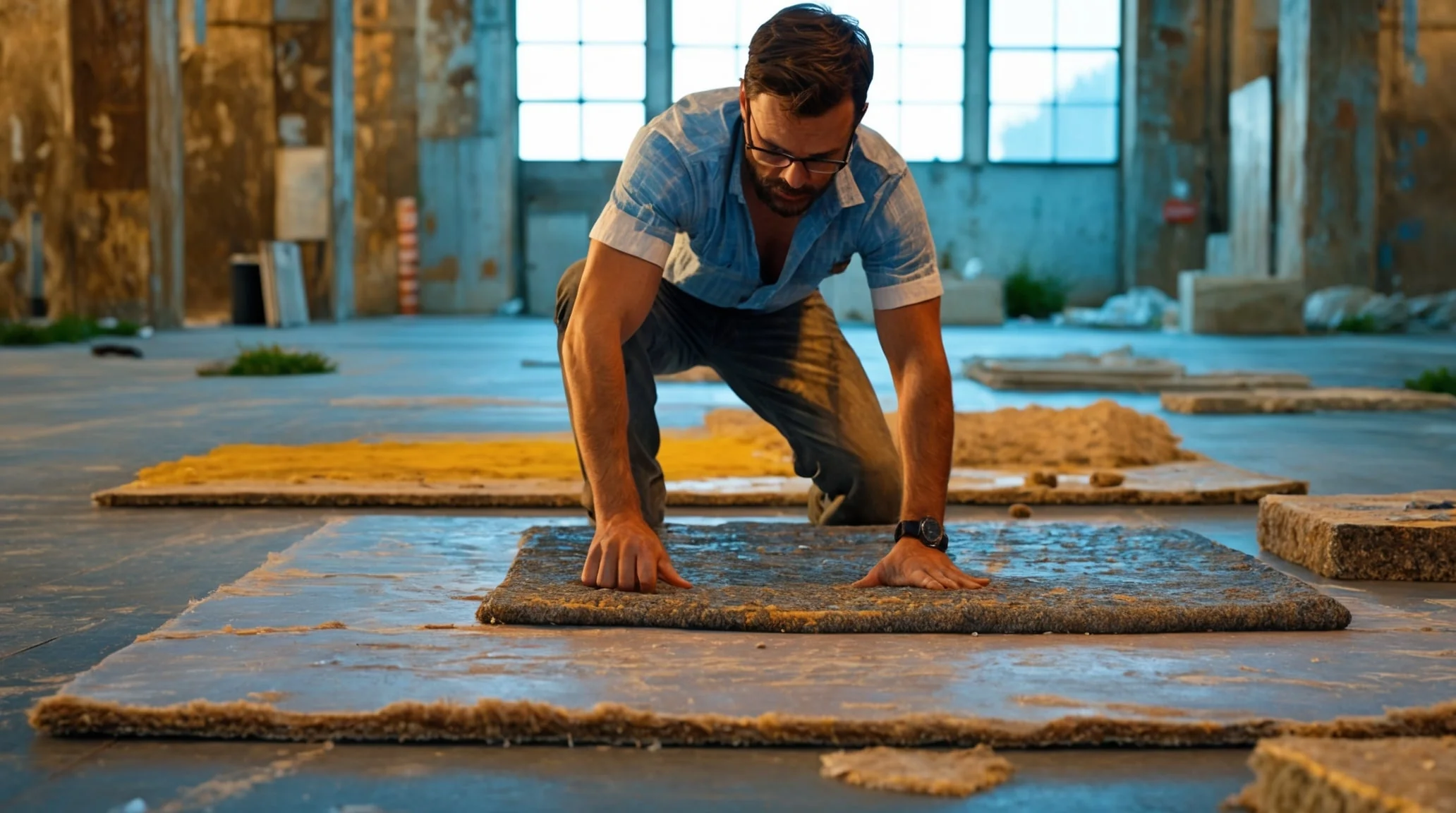
Parallel to this market shift is the explosive growth of art therapy as a clinical and cultural practice. What began as a fringe modality is now embedded in hospitals, trauma centers, and neurological rehabilitation programs worldwide. The act of making, of applying texture, color, and pressure to a surface, engages neural pathways that verbal therapy simply cannot reach.
For neurodivergent individuals specifically, the studio becomes a space of radical self-regulation. The physical, tactile nature of mark-making, particularly through techniques involving heavy texture, layering, and material resistance, offers a form of sensory grounding that is both therapeutic and generative. It is no coincidence that some of the most viscerally compelling contemporary work emerging today carries that same physical intensity.
Texture, Sensation, and the Luxury Market
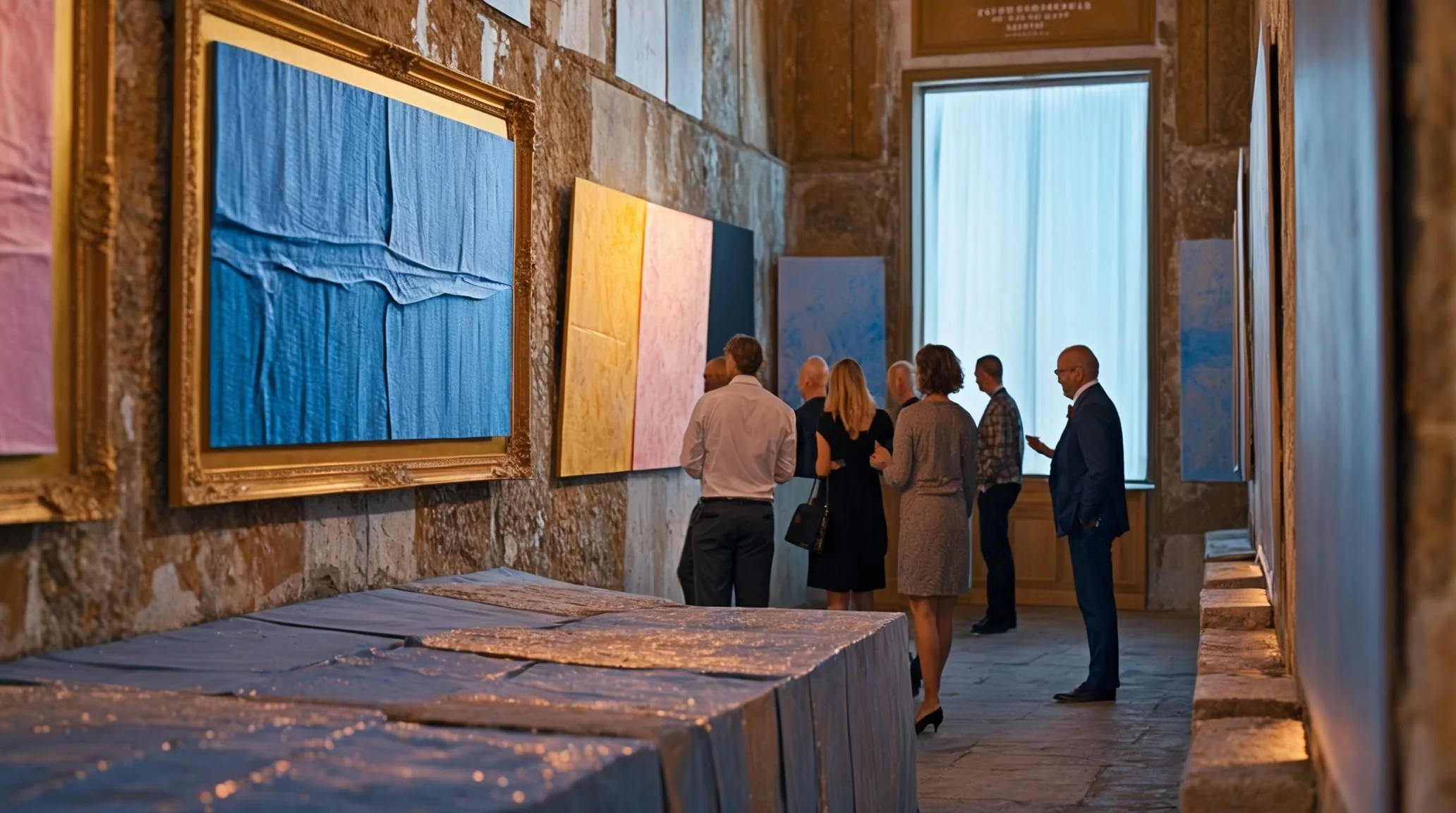
High-end collectors are responding. The demand for deeply textural, physically present artwork has surged, driven partly by a cultural fatigue with the flat, screen-mediated visual world. Collectors want to feel a painting. They want surface, weight, and evidence of a human hand.
This is where the conversation between neurodivergent creative process and luxury fine art becomes genuinely fascinating. The hypersensory awareness that characterizes many neurodivergent artists produces work of extraordinary tactile complexity. Layers built obsessively. Surfaces worked and reworked. Marks that carry an emotional charge that is almost physical in its impact.
The Gabrielle Benot Abstracts Collection speaks directly to this sensibility, with large-scale works built through the signature Guscio technique that reward close, almost meditative looking. The surfaces are not decorative. They are records of process, of pressure, of a deeply physical relationship between artist and material.
What This Means for Collectors
The most prescient collectors are already paying attention. Work that carries authentic process, that cannot be replicated by algorithm or trend cycle, is appreciating both culturally and financially. Neurodivergent artists, and the broader movement toward process-driven, therapeutically rooted making, represent one of the most significant undercurrents in the contemporary fine art market right now.
- Authenticity is the new luxury. Collectors are moving away from decorative art toward work with genuine conceptual and emotional weight.
- Textural, process-driven art is surging. Physical presence and material complexity command premium prices at auction and in private sales.
- Provenance of process matters. How a work was made is becoming as important as what it depicts.
- Neurodivergent perspectives are underrepresented and undervalued. Early collectors are positioned well as institutional recognition grows.
The edge, it turns out, is exactly where the future of fine art is being written.