Bespoke Art Rugs: Elevating Modern Interiors with Functional Textile Masterpieces
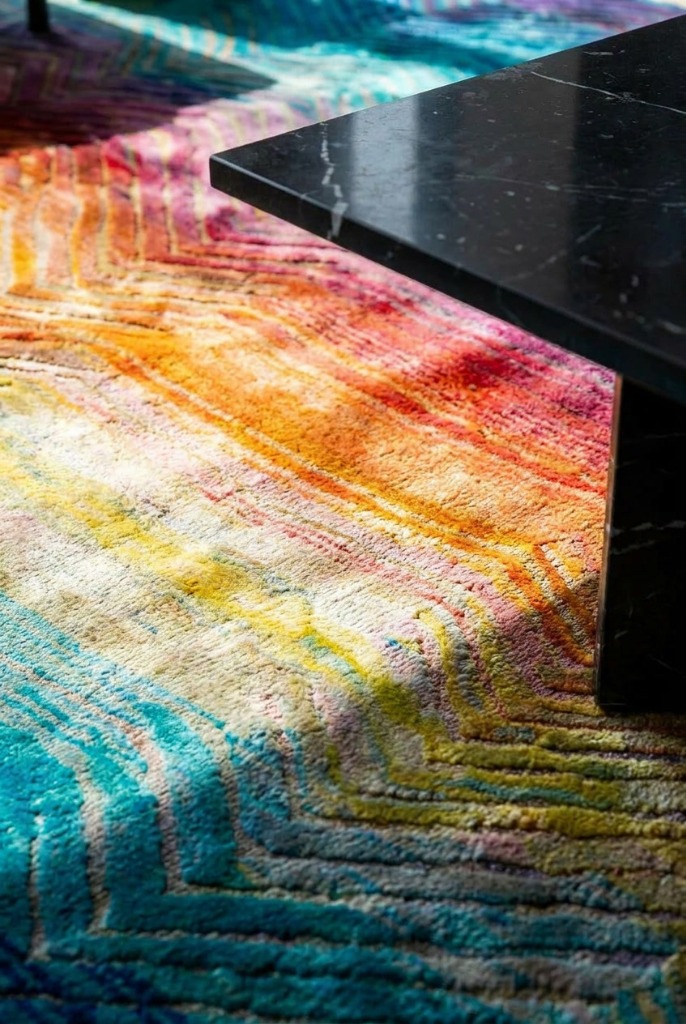
The Floor as Canvas
There is a quiet revolution happening beneath our feet. The rug, long relegated to the supporting cast of interior design, has claimed its rightful place as the defining statement of a curated space. In the most celebrated interiors of today, from the sun-drenched villas along the Côte d'Azur to the minimalist lofts of downtown Los Angeles, the bespoke art rug is no longer an afterthought. It is the anchor.
This shift mirrors a broader cultural conversation about where fine art lives. MoMA's textile collection has long challenged the hierarchy between "fine" and "applied" art, a distinction that the most sophisticated collectors have already abandoned. When Josef Albers translated his color theory into woven textiles at the Bauhaus, he was not decorating rooms. He was arguing that beauty and function are not opposites; they are collaborators.
What Makes a Rug a Work of Art?
The distinction lies entirely in intention and execution. A mass-produced rug fills space. A bespoke art rug creates it. The difference is visible immediately: in the depth of color, the irregularity of texture, the sense that something deliberate and irreplaceable is underfoot.
The most compelling art rugs share several qualities with their wall-hung counterparts:
- Compositional integrity: The design holds as a complete visual statement, not a repeating pattern.
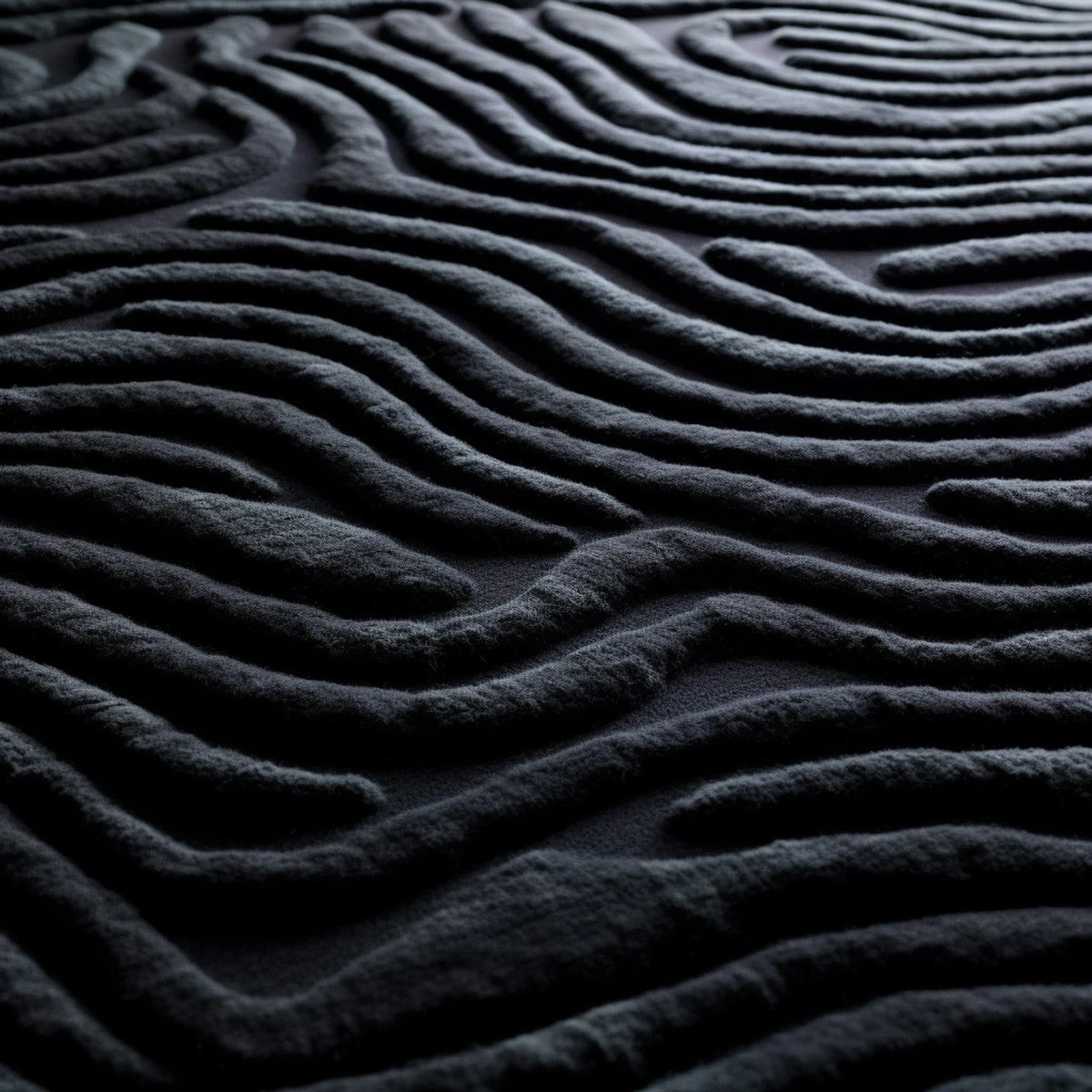
- Tactile dimension: Texture is not incidental. It is part of the aesthetic language.
- Singular origin: Each piece traces back to a specific artistic vision, not a committee or algorithm.
- Scale awareness: The proportions are considered in relation to the room, the furniture, the light.
Choosing the Right Scale for Your Space
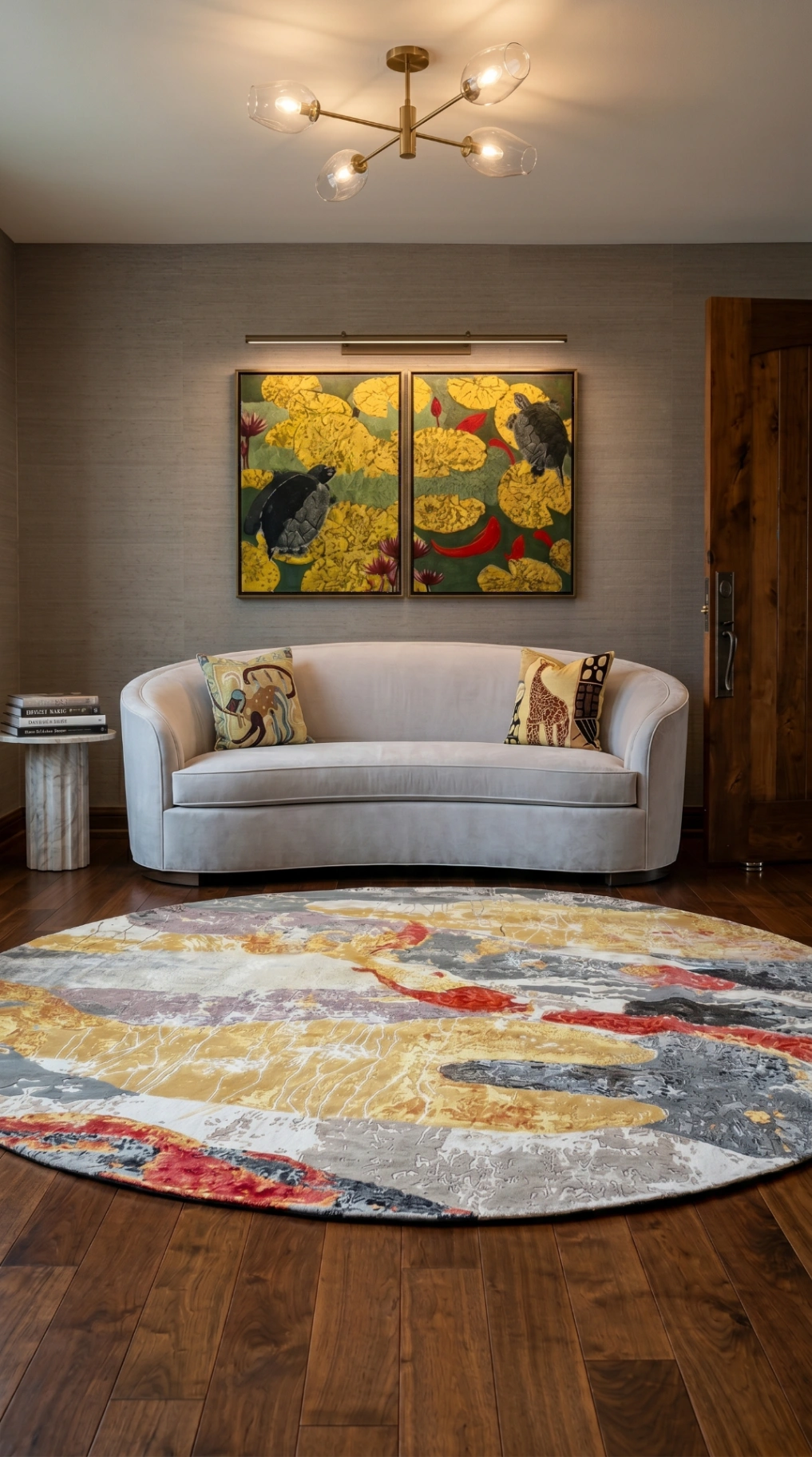
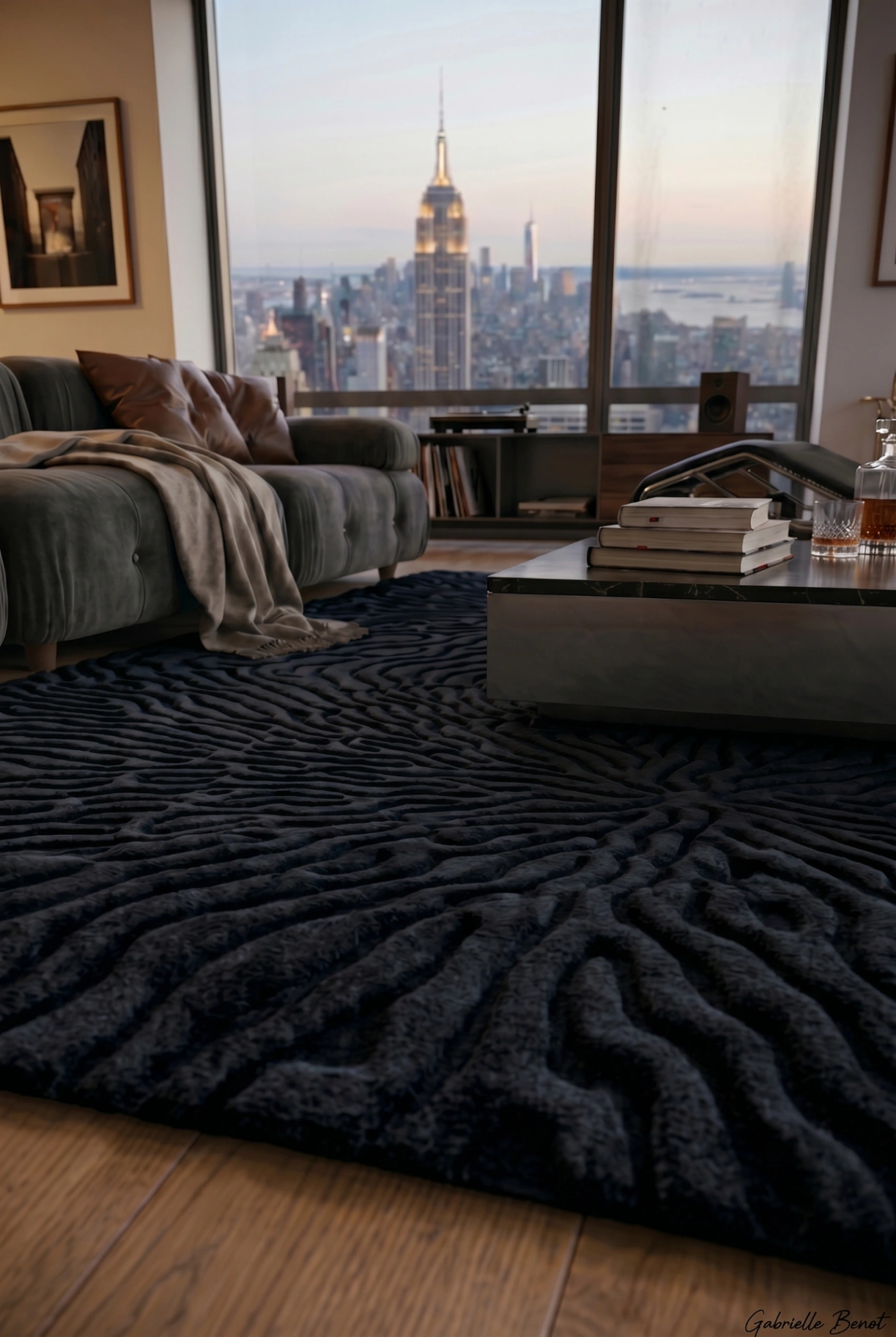
One of the most frequently asked questions in luxury interior design is deceptively simple: how large should an art rug be? The answer is almost always larger than your instinct suggests. In a living room, the rug should anchor all major seating, with front legs of sofas and chairs resting on the textile. In a dining space, it should extend at least 24 inches beyond the table on all sides. Scale is confidence. A rug that is too small reads as hesitation.
The color palette follows a similar logic. A bespoke art rug should not merely match the room; it should inform it. The great interior designer Axel Vervoordt built entire rooms around a single textile, allowing the piece to dictate the tonal conversation of the space. That philosophy, starting with the art and building outward, is the mark of a truly considered interior.
Where Fine Art Meets the Floor
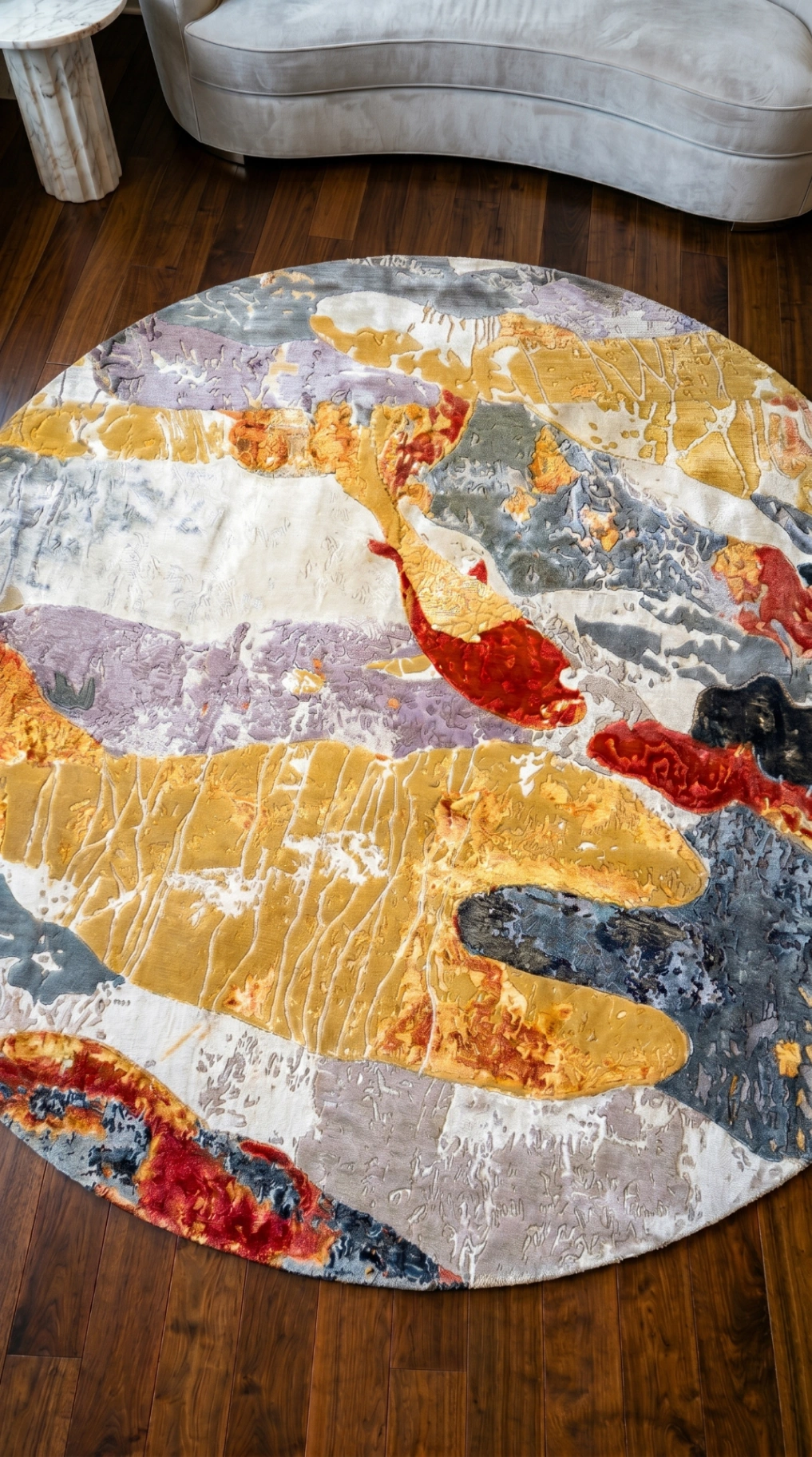
The Gabrielle Benot Rug Collection approaches this medium with the same rigor applied to large-scale canvas and metal works. Each piece translates the bold, textural abstraction of the studio directly into fiber, carrying the same visual weight and chromatic intensity that defines the broader body of work. These are not prints on fabric. They are original compositions, conceived for the floor with the same intentionality a painter brings to a wall.
For the collector who wants the full immersive experience of living with art, a bespoke textile piece offers something a framed work cannot: the room itself becomes the gallery.
Frequently Asked Questions
What is a bespoke art rug? A bespoke art rug is a one-of-a-kind or limited textile piece designed by a fine artist, intended to function as both a floor covering and a collectible artwork.
How do I style a statement rug in a modern interior? Let the rug lead. Choose furniture in neutral tones that complement rather than compete, and allow the textile's color and texture to set the room's visual temperature.
Are art rugs a good investment? Provenance matters enormously. A rug tied to a recognized fine artist's body of work carries the same collectible value as any other original piece, and appreciates accordingly.