+
How to Commission a Bespoke Equine Fine Art Portrait That Honors a Champion Thoroughbred and Commands Any Luxury Interior
← STUDIO JOURNALDesign & InteriorsGABRIELLE BENOT
SEPTEMBER 2026

How to Commission a Bespoke Equine Fine Art Portrait That Honors a Champion Thoroughbred and Commands Any Luxury Interior

GB
GABRIELLE BENOT
STUDIO ARTIST & AUTHOR
SEPTEMBER 13, 2026ART & DESIGN

How a bespoke equine portrait is commissioned: scale, timeline and process, by equine artist Gabrielle Benot, painter of Raging Torrent.

Commissioning a bespoke equine fine art portrait represents one of the most intimate collaborations between collector and artist. Unlike ready-made prints or conventional sporting art, a museum-quality portrait of a champion thoroughbred becomes a legacy object: a visual statement of the horse's significance, the collector's refined taste, and the artist's mastery of form, color, and narrative. This process demands clarity about your vision, understanding of what separates exceptional equine portraiture from merely competent representation, and knowledge of how the finished work will function within a luxury interior.

Understanding the Distinction Between Equine Sporting Art and Contemporary Fine Art Portraiture

For centuries, equine portraiture occupied a specific niche within the art world: the domain of sporting art, often commissioned to document a racehorse's achievement or a nobleman's prized mount. Artists like George Stubbs elevated the form in the 18th century, bringing anatomical precision and psychological depth to their subjects. Yet much equine art remained functional, designed to commemorate rather than to transcend.

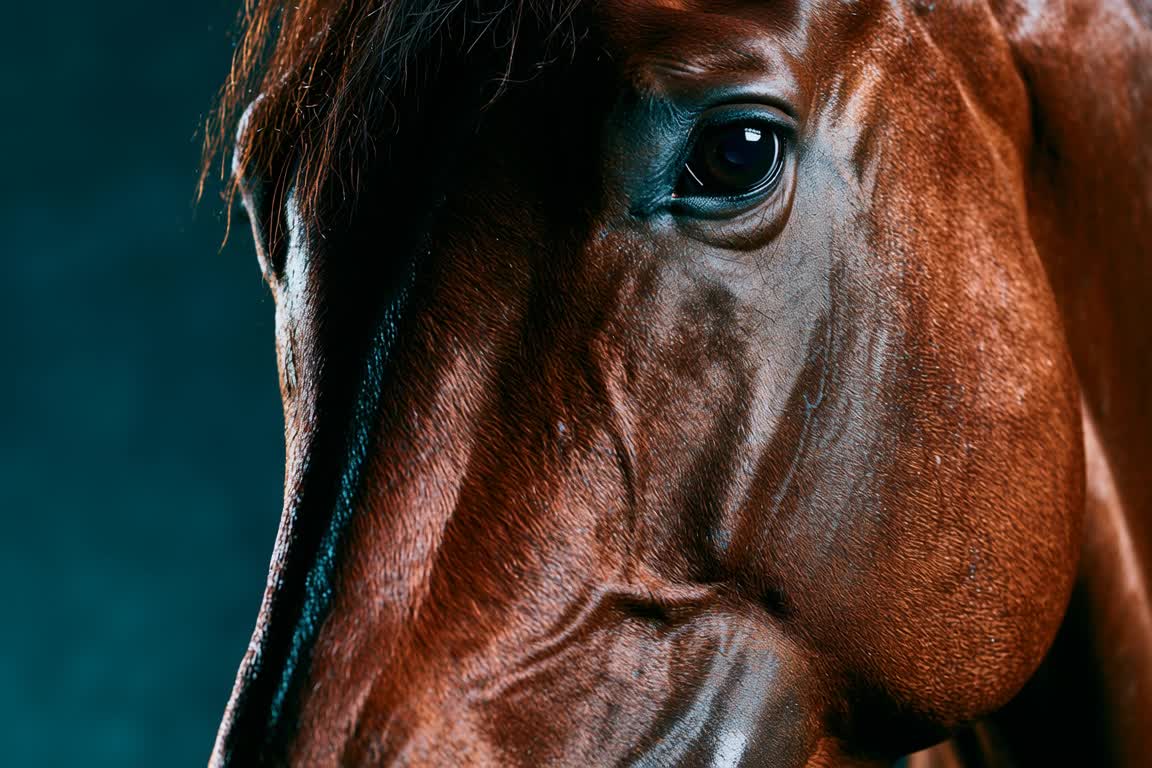
Contemporary fine art equine portraiture operates in an entirely different register. Rather than documentation, the goal is interpretation. The artist is not merely recording the horse's physical appearance but capturing its essence: the intelligence behind the eye, the coiled power in the musculature, the particular spirit that distinguished one champion from thousands of others. This requires an artist who understands both equine anatomy and contemporary aesthetic language, who can deploy color, texture, and composition to create a work that functions as serious art, not as decorative sporting memorabilia.

Gabrielle Benot's approach to equine portraiture exemplifies this distinction. Her equine collection demonstrates how contemporary techniques like her signature impasto method and her sophisticated color palette can transform a portrait of a horse into a commanding fine art statement. The work is not about photorealism or sporting documentation; it is about presence, emotion, and the visual language of luxury contemporary art.

A racehorse is a difficult thing to paint. It is never still, it is rarely the same animal twice, and the people who know it best can tell in one glance whether you got it. Five of them have been painted by Gabrielle Benot on commission. Raging Torrent, a Grade 1 winner, a runner in the 2024 Breeders' Cup Sprint, now a stallion at Lane's End. Oceanic, from the 2022 Breeders' Cup Turf Sprint. Ah Jeez, So There She Was and Don't Bring Crazy, each multiple graded stakes placed in Equibase's record. Four of the five came out of Doug O'Neill's barn. The people who could tell whether she got it are the people who asked her to do it again.

Contemporary equine portraiture demands an artist who understands both the physical truth of the horse and the psychological power of color and texture. The finished work must function as serious art within a luxury interior, not as decorative sporting memorabilia.

What to Look for in an Equine Fine Art Portraitist

Not every artist who paints horses possesses the skill to create a museum-quality portrait worthy of commission. When evaluating potential artists, consider these essential criteria:

  • Anatomical mastery combined with artistic vision. The artist must understand equine structure at a deep level but refuse to be imprisoned by photographic accuracy. The best equine portraitists use anatomical knowledge as a foundation for expressive interpretation.
  • A distinctive visual language. Look for an artist whose work is immediately recognizable, whose color choices and technical approach feel considered and intentional rather than generic. The portrait should reflect both the horse and the artist's sensibility.
  • A track record of significant commissions. Review the artist's portfolio for evidence of museum-quality work, collector testimonials, and participation in serious art contexts. Equine fine art should be exhibited in galleries and collected by serious patrons, not relegated to sporting venues.
  • Collaborative approach to the commission process. The artist should ask substantive questions about your horse, your vision for the work, how it will be displayed, and what emotional or conceptual themes matter to you. A transactional approach signals limited engagement.
  • Technical sophistication in color and texture. Examine how the artist handles impasto, layering, color harmony, and surface variation. A master portraitist creates visual depth and tactile richness that elevates the work beyond illustration.

Preparing for Your Commission Consultation

Before approaching an artist, invest time in clarifying your own vision. This preparation will deepen the collaboration and result in a more powerful finished work.

First, articulate what makes your horse unique. Beyond the obvious facts (breed, racing record, age), consider the horse's personality. Is there a particular quality in the eyes that captures observers? Does the horse have an unusual color marking or conformation? What emotional response do you want viewers to experience when they see the portrait? Are you honoring a horse that has passed, or creating a living legacy? These narrative elements become the conceptual foundation for the portrait.

Second, gather reference materials. Provide the artist with high-quality photographs taken in varied lighting conditions, ideally including close-ups of the head and eye, full-body shots, and images that capture the horse's movement or stance. Professional equine photography is worth the investment; poor reference images will constrain even a master artist's ability to create a powerful portrait.

How to Commission a Bespoke Equine Fine Art Portrait That Honors a Champion Thoroughbred and Commands Any Luxury Interior - Mid-Section Detail

Third, consider the scale and placement of the finished work. Will it hang in a gallery-style living room, a private study, a stable or equestrian facility? Understanding the architectural context allows the artist to calibrate the composition, color intensity, and scale for maximum impact. A portrait designed for a soaring 20-foot wall will differ substantially from one intended for a more intimate 8-foot space.

Finally, establish a realistic timeline and budget. Museum-quality equine portraiture requires time for conceptual development, multiple studies, and refinement. Rushing the process or underfunding the commission signals that you are not serious about fine art; artists will respond accordingly. A significant commission typically requires 4-8 months from initial consultation to finished work.

The Creative Process: From Concept to Completion

A serious equine fine art commission unfolds in distinct phases, each essential to the final result.

Phase One: Conceptual Development. The artist conducts an in-depth consultation, examining reference materials, discussing your vision, and exploring conceptual directions. This may include preliminary sketches, color studies, and compositional explorations. The goal is to move beyond literal representation toward a unified artistic vision that captures both the horse's physical presence and its psychological essence.

Phase Two: Compositional Studies. Based on the conceptual direction, the artist creates detailed studies exploring scale, framing, background treatment, and color palette. At this stage, you should expect to review and provide feedback. This is your opportunity to ensure the artist's vision aligns with yours before full-scale work begins.

Phase Three: Underpainting and Foundation Work. The artist begins the actual portrait, establishing the underlying structure, values, and initial color relationships. This foundational work is invisible in the final piece but absolutely critical to its success. An artist rushing through this phase will produce a weak final result, regardless of surface virtuosity.

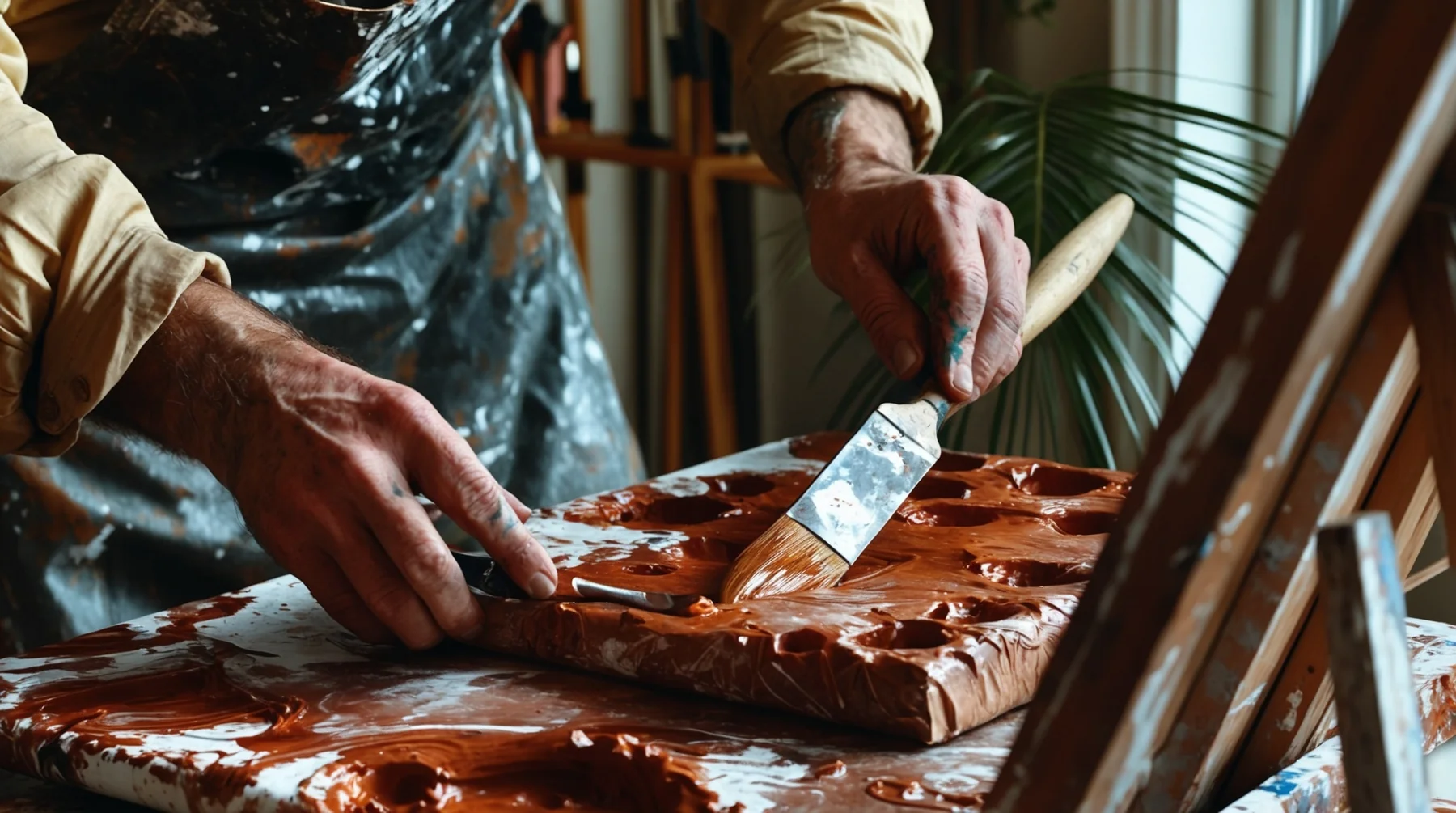
Phase Four: Layering and Refinement. The artist builds the portrait through successive layers of paint, developing complexity, depth, and visual richness. This is where techniques like impasto, glazing, and textural variation create the tactile, luminous quality that distinguishes fine art from illustration. Multiple iterations may occur as the artist refines the eye, adjusts color relationships, and strengthens the overall composition.

Phase Five: Final Refinement and Approval. The artist completes the portrait, makes final adjustments, and presents the finished work for your approval. A professional artist will have built in reasonable revision requests, but the work should be substantially complete at this stage. Endless revisions signal either a lack of artistic clarity or unrealistic collector expectations.

Scale, Format, and Technical Considerations

The physical specifications of your commission significantly impact both the artistic process and the final result. Scale matters profoundly. A portrait executed at monumental scale (60 inches or larger) commands architectural presence; viewers experience the horse as a psychological force in the room. Smaller formats (24-36 inches) create a more intimate, contemplative encounter. There is no universally correct scale; the choice depends on your interior architecture and the emotional tone you seek.

Surface selection shapes the visual language. Canvas remains the traditional choice, offering a receptive surface for layered paint application. Metal surfaces, increasingly favored by contemporary artists, create a luminous, reflective quality that intensifies color and texture. Linen versus cotton canvas affects how paint behaves and how light interacts with the surface. Discuss these technical choices with your artist; each decision contributes to the final aesthetic experience.

Color palette profoundly influences mood and luxury perception. A portrait dominated by jewel tones (deep emeralds, sapphires, burgundies) projects richness and psychological depth. Lighter, more atmospheric palettes create contemplative, ethereal effects. Harmonious color relationships are the hallmark of luxury fine art; discordant or muddy color combinations signal amateur work. Ensure your artist has demonstrated mastery of sophisticated color harmony in their existing work.

Frequently Asked Questions

How much does a bespoke equine fine art portrait typically cost?

Museum-quality equine portraits by established contemporary artists range from $8,000 to $75,000 or more, depending on scale, the artist's market position, and complexity. Large-scale works (48+ inches) by recognized artists command premium prices. Budget $15,000-$40,000 for a significant work by a serious contemporary artist. Anything substantially less suggests the artist may not possess the mastery required for fine art portraiture.

What is the typical timeline for a commission?

Plan for 4-8 months from initial consultation to finished work. This allows adequate time for conceptual development, studies, and the actual painting process. Artists who promise rapid turnaround may be prioritizing volume over quality. A compressed timeline often results in a weaker final product.

Can I request revisions if the finished portrait doesn't match my vision?

How to Commission a Bespoke Equine Fine Art Portrait That Honors a Champion Thoroughbred and Commands Any Luxury Interior - Scene

Yes, but establish revision parameters upfront. Most professional artists include 1-3 rounds of reasonable revisions in their commission fee. Define what constitutes a revision (adjusting the eye, refining the background) versus a complete restart (changing the composition or pose). Unlimited revision requests are unreasonable and signal a fundamental misalignment between collector expectations and artistic vision.

Should I commission a portrait of a horse that has passed away?

Absolutely. Many of the most powerful equine portraits memorialize horses no longer living. The absence of the living subject allows the artist greater interpretive freedom; you are not constrained by needing the horse present for studies. Use high-quality photographs and your emotional memory of the horse to guide the artist's vision. These memorial portraits often possess profound emotional resonance.

How do I ensure the portrait will work within my interior design scheme?

Provide the artist with interior photographs of the space where the portrait will hang. Discuss color palette, lighting conditions, architectural style, and adjacent artworks. A skilled artist will calibrate the portrait's color intensity, scale, and visual weight to enhance rather than dominate the space. Bring paint samples or fabric swatches if you want the portrait to coordinate with existing design elements.

What is the difference between a portrait and a full-body equine painting?

A portrait typically focuses on the head and neck, emphasizing the eye and facial features where personality resides. Full-body compositions capture the entire horse, showcasing conformation and movement. Portraits create psychological intimacy; full-body works emphasize athletic presence. Both are valid; the choice depends on your artistic intent and interior context.

Can the artist paint my horse in a specific setting or landscape?

Yes. Some collectors commission portraits set in meaningful locations: a stable, a racing track, a beloved pasture, or an imagined landscape. Environmental context adds narrative depth but requires the artist to balance the horse with its surroundings. Ensure the background enhances rather than competes with the horse. A subtle, atmospheric background is usually more sophisticated than a detailed, busy landscape.

How should I care for and display the finished portrait?

Gallery-quality framing protects and enhances the work. UV-filtering glass or acrylic prevents fading; archival matting preserves the piece. Hang the portrait in stable lighting conditions, avoiding direct sunlight or dramatic temperature fluctuations. Professional framing typically costs $1,500-$4,000 for a significant work but is essential for long-term preservation and visual impact. Display the portrait at eye level, with adequate wall space around it to allow the work to breathe.

Should I commission the artist to create the frame as well?

Many contemporary artists collaborate with master framers rather than creating frames themselves. Discuss this with your artist. A bespoke frame designed specifically for the portrait can be transformative, but it adds significant cost and timeline. Alternatively, a refined minimalist frame allows the artwork to command attention without competition.

The Investment in Legacy

Commissioning a bespoke equine fine art portrait is not merely acquiring decoration; it is creating a legacy object. The finished work will outlive the horse, outlive you, and potentially become a treasured heirloom or museum piece. This permanence justifies the investment of time, resources, and emotional engagement required to create a truly exceptional portrait.

The collaboration between collector and artist, rooted in shared reverence for the horse and commitment to artistic excellence, produces something neither party could create alone. The artist brings technical mastery, aesthetic vision, and the ability to translate feeling into visual form. The collector brings knowledge of the horse, clarity about emotional intent, and the courage to commission serious art rather than settle for mass-produced alternatives.

When you stand before a museum-quality equine portrait that captures your champion's spirit, the investment becomes irrelevant. What remains is the power of the work itself: a visual statement of nobility, presence, and the enduring bond between human and horse, rendered in color and texture that will command any luxury interior for generations to come.

← ALL JOURNAL ENTRIES© 2026 GABRIELLE BENOT STUDIO