Gabrielle Benot

00%
+
How to Commission a One-of-a-Kind Automotive Paint Artwork on Metal for a Luxury Collector's Space
← STUDIO JOURNALDesign & InteriorsGABRIELLE BENOT
JULY 2026

How to Commission a One-of-a-Kind Automotive Paint Artwork on Metal for a Luxury Collector's Space

GB
GABRIELLE BENOT
STUDIO ARTIST & AUTHOR
JULY 2, 2026ART & DESIGN

Learn how to commission bespoke automotive fine art on metal. Expert guide to commissioning luxury one-of-a-kind paintings for collectors, galleries, and high-end interiors.

Commissioning a one-of-a-kind automotive artwork on metal is fundamentally different from purchasing an existing work. It requires clarity about your vision, understanding of the medium's technical demands, and a collaborative relationship with an artist who specializes in translating motion, luxury, and mechanical form into permanent visual statements. The process begins not with a price quote, but with a conversation about what you want the artwork to communicate in your space.

Understanding Automotive Fine Art as a Commission Category

Automotive fine art occupies a distinct position in the contemporary art market. Unlike traditional landscape or portrait painting, automotive art must capture the essence of speed, power, and design while remaining compositionally sophisticated enough to function as serious fine art rather than decorative illustration. The subject matter carries inherent drama: the curve of a hood, the geometry of a wheel, the tension in a vehicle's stance. When rendered by a skilled artist, these elements become metaphors for ambition, precision, and human aspiration.

Secondary Image

The medium of metal as a ground for automotive art creates a conceptual resonance that canvas cannot achieve. Metal reflects light, creates a dialogue between the painted surface and the substrate beneath, and carries its own industrial heritage. An automotive painting on metal becomes a conversation between the vehicle's material nature and the artist's interpretive vision. This is not coincidental elegance; it is intentional material philosophy.

When considering a commission, understand that you are not simply ordering a painting of a car. You are commissioning an interpretation of what that vehicle means: its historical significance, its aesthetic language, its place in design history, or its personal significance to you as a collector. The best automotive fine artists understand this distinction profoundly.

The Artist's Technical Mastery: What to Evaluate

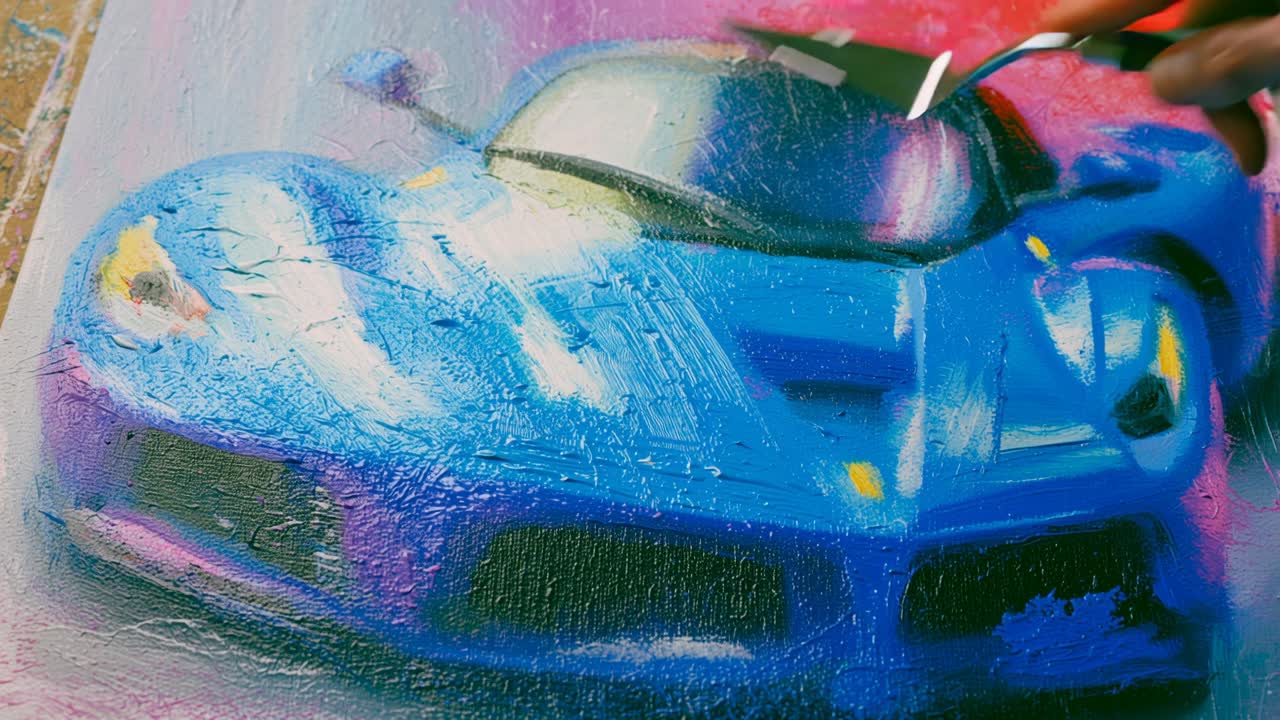
Before engaging any artist for a commission, research their technical proficiency with the specific medium you envision. An artist working on metal requires expertise in surface preparation, primer application, paint chemistry, and the behavior of various pigments on reflective or semi-reflective grounds. Not all painters who excel on canvas translate successfully to metal surfaces. The paint application technique, the build-up of impasto, and the interaction between layers all behave differently on metal than on traditional supports.

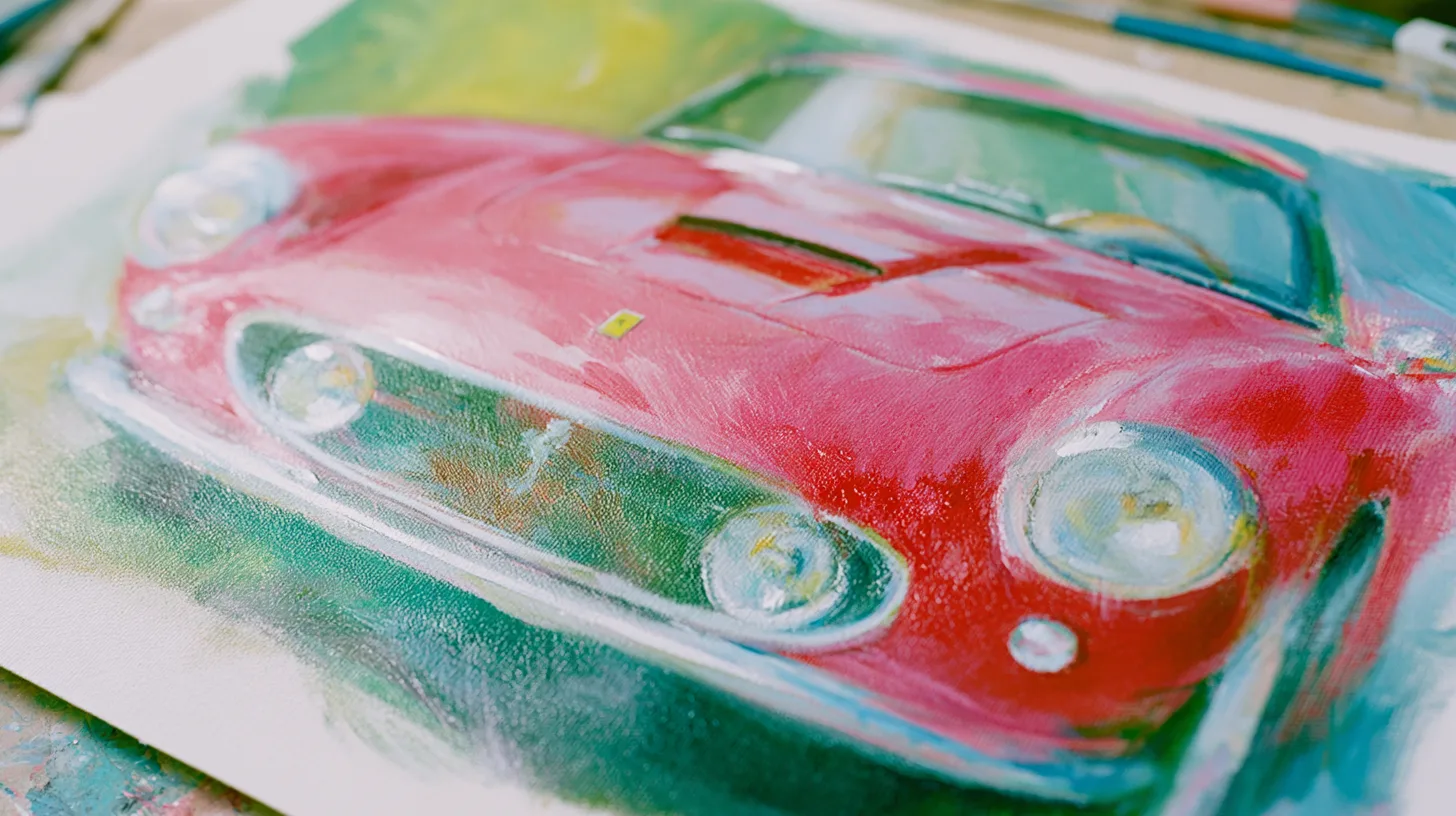
Look for artists who demonstrate consistent mastery of color harmony and compositional balance. Gabrielle Benot, for instance, has become recognized in the contemporary art world specifically for her ability to combine striking textural work with extraordinarily sophisticated color relationships. Her automotive pieces on metal showcase not merely technical proficiency, but an intuitive understanding of how color and texture can convey motion and luxury without relying on photorealism. This distinction matters enormously for a commission: you want an artist who thinks about color as a primary language, not as an afterthought to representation.

When evaluating an artist's portfolio, ask these specific questions:

  • How many large-scale metal commissions have they completed?
  • What is their approach to color selection and harmony?
  • How do they handle the reflective properties of the metal surface?
  • Can they work in both representational and abstract directions?
  • What is their timeline for completion, and what factors affect it?
  • How do they manage revisions or changes during the creative process?

Defining Your Vision: The Commissioning Conversation

The commissioning process begins with specificity. Vague requests lead to vague results. Instead of saying "I want a painting of my Ferrari," provide context: Is this a vehicle that represents a particular moment in your life? Are you drawn to a specific era of automotive design? Do you want the composition to emphasize the car's form, or are you interested in a more abstract interpretation that captures the feeling of driving it? What role will this artwork play in your space: is it a focal point, a conversation piece, or a subtle accent?

Provide visual references, but avoid the trap of asking for a literal copy of a photograph. The most successful commissions happen when the collector shares inspiration images that convey mood, color palette, and compositional energy, rather than exact visual specifications. An artist thrives when given creative latitude within a clear emotional or conceptual framework.

Discuss scale seriously. A painting that works at 48 inches may feel entirely different at 72 inches. Metal surfaces in particular benefit from scale; the reflective quality and the viewer's physical relationship to the work change dramatically with size. Most automotive fine art commissions function best at substantial scale, where the viewer can engage with the texture and color relationships at close range as well as from across a room.

The Role of Material Selection in Your Commission

Metal as a substrate comes in several varieties, each with distinct aesthetic and functional properties. Brushed aluminum creates a softer, more diffuse reflection. Polished steel offers high-contrast reflectivity. Copper and bronze grounds introduce warm tonal qualities. Some artists work on raw, unsealed metal that will develop a patina over time; others use sealed or powder-coated substrates for permanence.

Your choice of metal ground should align with both your vision and your space. A contemporary penthouse with minimalist aesthetics might benefit from polished aluminum. A collector's gallery with dramatic lighting might showcase the work more powerfully on brushed steel. A residence with warm wood tones and traditional architecture might pair beautifully with a warmer metal ground.

Understand also that metal grounds require different paint formulations than canvas. Professional automotive artists use paints specifically engineered for metal surfaces, often incorporating automotive-grade primers and topcoats for durability. This is not merely an aesthetic choice; it ensures the work will endure without cracking, peeling, or fading.

Pricing, Timeline, and Practical Considerations

One-of-a-kind automotive fine art on metal typically ranges from $8,000 to $150,000 or beyond, depending on the artist's reputation, the scale of the work, the complexity of the composition, and the metal substrate selected. This is not an area where bargain hunting serves you well. The cost reflects not merely the artist's labor, but their accumulated expertise, the quality of materials, and the uniqueness of the creation.

Timeline for a serious commission typically spans three to six months, sometimes longer for very large-scale works or when the artist maintains a selective commission schedule. This duration accounts for initial conceptual development, material sourcing, the actual painting process (which may involve dozens of hours of work), and final finishing. Rushing an artist rarely produces superior results.

Discuss payment structure upfront. Most professional artists require a deposit (typically 50 percent) upon commission agreement, with the balance due upon completion. Some structure payments in thirds: deposit, mid-process, and final. Clarify what happens if you request significant changes during the creative process, and understand that substantial revisions may affect timeline and potentially cost.

How to Evaluate Artist-Client Fit

The commissioning relationship is a partnership. You need an artist who listens carefully, who asks intelligent questions about your vision, and who can articulate their own creative process. Red flags include artists who seem dismissive of your input, who promise unrealistic timelines, or who cannot clearly explain their technical approach to the medium.

Look for artists who have completed successful commissions for other collectors and who can provide references or documentation of past work. Ask to see photographs of finished pieces in situ, not merely in the studio. How does the work function in an actual interior? How does it respond to different lighting conditions?

The best artist-client relationships involve mutual respect and a shared commitment to creating something that transcends the transactional. You are not simply purchasing a service; you are collaborating with a creative professional to bring a vision into material form.

Commissioning Automotive Art: A Collector's Perspective

Automotive fine art has gained significant recognition in recent years, with major galleries and museums beginning to collect works that treat vehicles as legitimate subjects for serious artistic inquiry. This shift reflects a broader cultural understanding that automotive design is a form of sculpture, that the aesthetics of motion deserve artistic exploration, and that a well-executed automotive painting can function as powerfully as any landscape or abstract work.

When commissioning a piece in this category, you are participating in this cultural conversation. You are asserting that your space, your collection, and your aesthetic vision benefit from art that engages with technology, design, and the romance of mechanical form. This is a legitimate and increasingly respected position in contemporary collecting.

For collectors interested in exploring automotive fine art commissions, exploring an artist's existing automotive collection provides essential insight into their capabilities. Gabrielle Benot's automotive art collection demonstrates how sophisticated color relationships and textural mastery can elevate automotive subjects into the realm of serious contemporary fine art. Her work shows that automotive painting need not rely on photorealistic rendering to capture the essence of a vehicle; instead, color, composition, and surface energy can convey motion and luxury with far greater impact.

Frequently Asked Questions

How long does it typically take to complete a commissioned automotive artwork on metal?
A substantial one-of-a-kind piece usually requires three to six months from commission agreement to completion. This timeline accounts for conceptual development, material sourcing, the actual painting process (which may involve 40 to 100+ hours of work), and final finishing. Very large-scale works or artists with extensive commission backlogs may require longer.

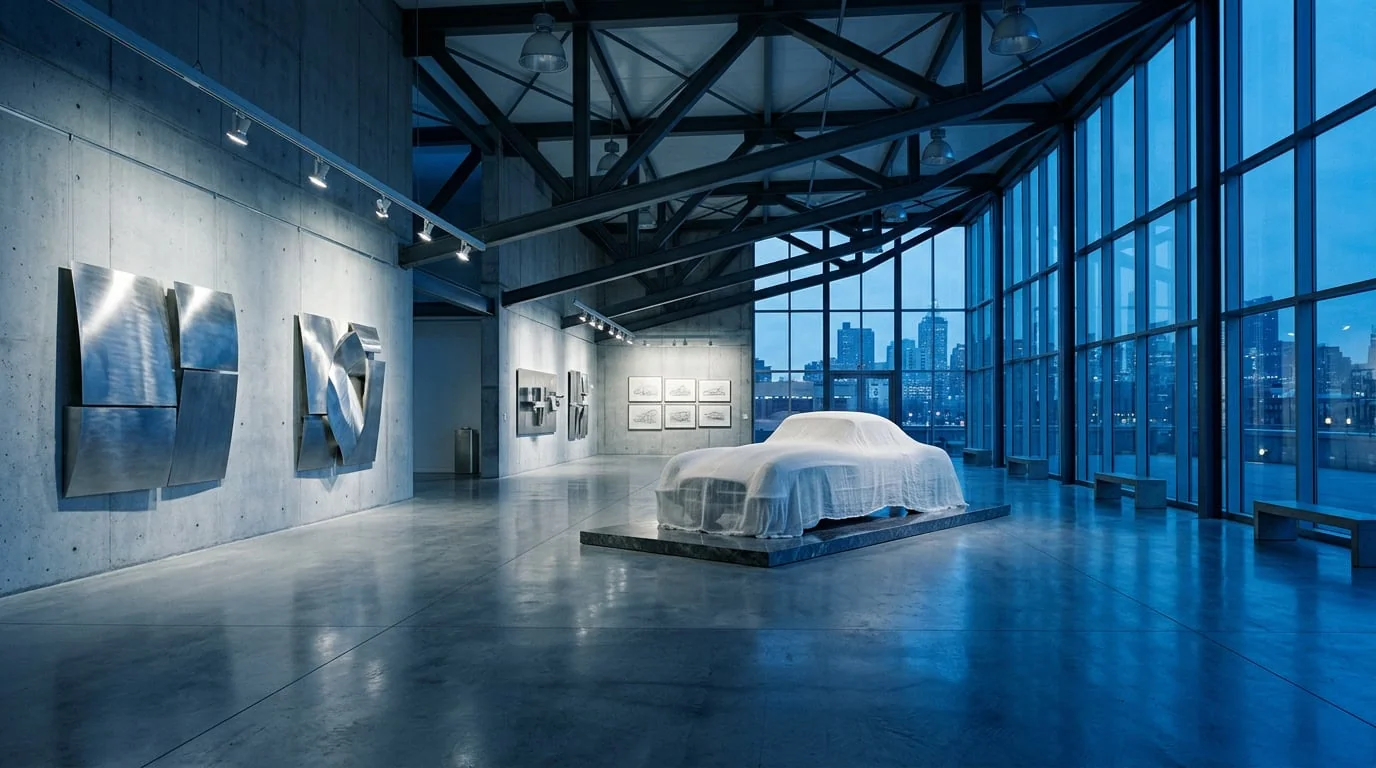
How to Commission a One-of-a-Kind Automotive Paint Artwork on Metal for a Luxury Collector's Space - Scene

What is the typical price range for a custom automotive painting on metal?
Prices typically range from $8,000 to $150,000 or more, depending on the artist's reputation, the scale of the work (measured in square feet), the complexity of the composition, and the specific metal substrate. Larger works and established artists command higher prices. Always discuss budget expectations early in the commissioning conversation.

Can I request changes or revisions once the artist has begun the work?
Most artists build a revision period into the commission process, typically allowing for one or two rounds of feedback. Substantial changes requested after significant progress has been made may affect both timeline and cost. Clarify the revision policy before signing a commission agreement.

What metal substrates work best for automotive art?
Brushed aluminum, polished steel, and copper are the most common choices. Brushed aluminum creates softer reflections and pairs well with contemporary spaces. Polished steel offers dramatic reflectivity. Copper introduces warmth. The choice depends on your aesthetic preference and how the work will interact with your space's lighting and existing design elements.

How should I care for and maintain a metal artwork once it's completed?
Most professional metal artworks are sealed or finished with protective coatings that require minimal maintenance. Dust gently with a soft cloth. Avoid harsh chemicals or abrasive materials. If the work is in a high-humidity environment, periodic inspection for any surface changes is wise. Ask the artist for specific care recommendations based on the materials and finishes they've used.

Should I commission representational or abstract automotive art?
This depends entirely on your aesthetic preference and how the work will function in your space. Representational automotive art emphasizes recognizable vehicle forms and can serve as a tribute to a specific car. Abstract automotive art captures the essence, motion, and emotion of driving without literal representation. Many collectors find abstract approaches more sophisticated and timeless. Discuss this distinction with your artist.

What questions should I ask an artist before commissioning a piece?
Ask about their experience with metal substrates, their approach to color and composition, their timeline, revision policy, payment structure, and references from previous commission clients. Request to see photographs of finished works in actual interiors, not just studio shots. Ask how they handle the reflective properties of metal and how the work will respond to different lighting conditions in your space.

Can I commission a painting of a vehicle I don't own?
Absolutely. Many collectors commission paintings of iconic vehicles from automotive history, vehicles that represent a particular era of design, or vehicles that hold cultural significance. You do not need to own the car to appreciate and commission artwork celebrating its form and legacy.

"The commissioning relationship is a partnership. You need an artist who listens carefully, who asks intelligent questions about your vision, and who can articulate their own creative process."

Moving Forward with Your Commission

Commissioning a one-of-a-kind automotive artwork on metal is an investment in both art and the aesthetic quality of your space. The process requires clarity, patience, and a willingness to engage in genuine creative dialogue with the artist. The results, when executed by a skilled professional, create works that function simultaneously as personal tributes to automotive design and as serious contemporary fine art.

Begin by identifying artists whose work resonates with your vision and aesthetic sensibility. Research their technical mastery, their approach to color and composition, and their track record with commissions. Prepare to articulate your vision with specificity while remaining open to the artist's creative interpretation. Understand that the best commissions emerge from collaboration, not from rigid specification.

If you are drawn to automotive fine art that demonstrates exceptional color sophistication and textural mastery, explore Gabrielle Benot's work and her full collection to understand what becomes possible when technical skill meets genuine artistic vision. The commissioning process begins with seeing what is possible, then articulating what matters to you.

← ALL JOURNAL ENTRIES© 2026 GABRIELLE BENOT STUDIO