Discover the neuroscience of beauty and why original large-scale textural fine art transforms how you feel, think, and live in your space.
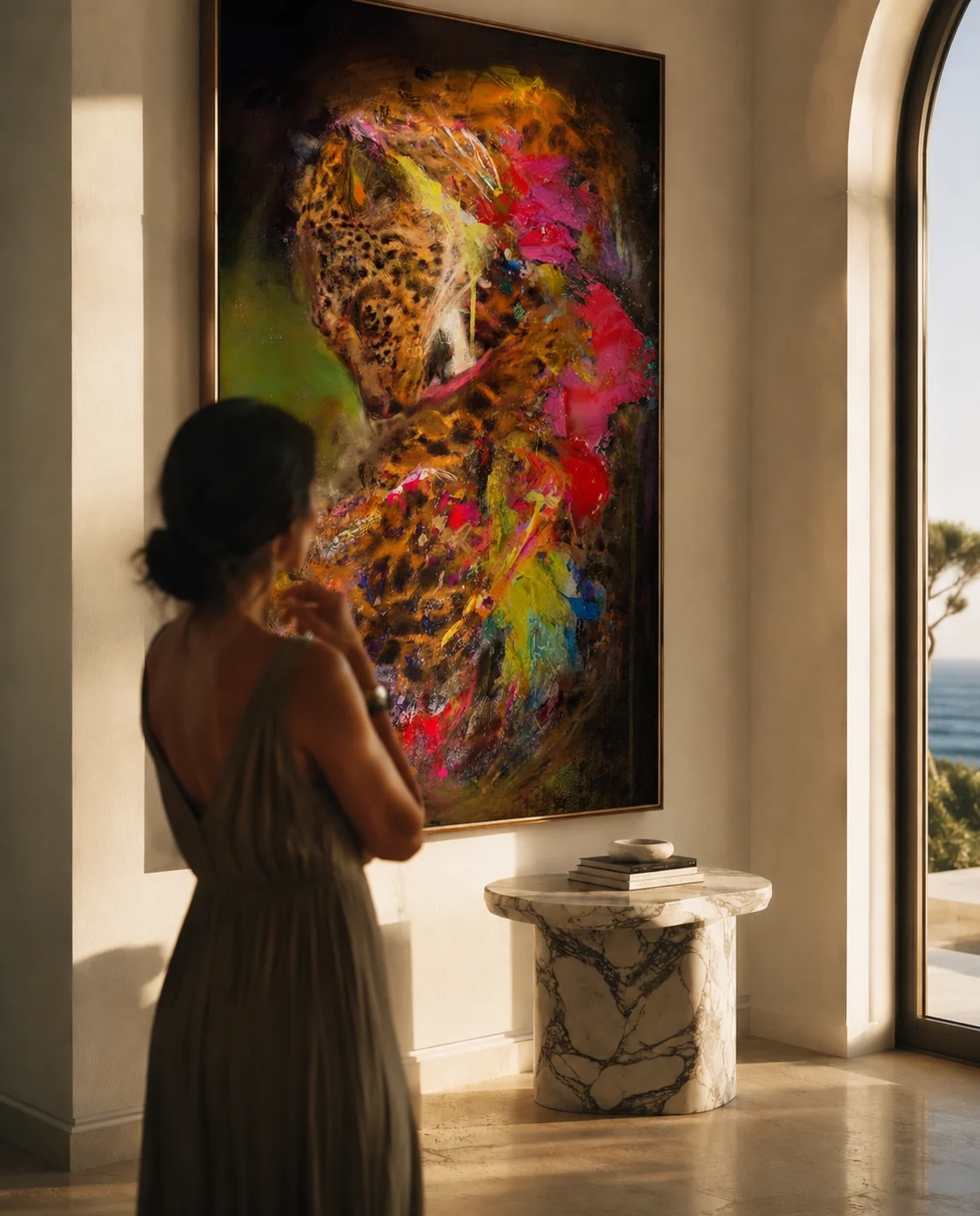
Beauty Is Not a Luxury. It Is a Biological Need.
Neuroscientists have confirmed what poets always suspected: the human brain responds to beauty the way it responds to love. When we encounter something genuinely beautiful, the medial orbito-frontal cortex lights up, flooding the body with dopamine. This is not metaphor. This is physiology. Researchers at University College London, whose findings have been widely discussed across institutions including MoMA, have documented this neurological response with remarkable consistency across cultures and demographics.
The implications are staggering. The art hanging on your wall is not passive. It is in constant, silent conversation with your nervous system, shaping your mood before you have had your first cup of coffee. It is recalibrating your emotional baseline, hour by hour, day by day, in ways both measurable and profound.
For collectors and interior designers searching for large-scale original fine art that does more than fill a wall, this distinction matters enormously. The difference between a reproduction and an original work is not merely aesthetic. It is neurological. It is lived.
What Happens to the Mind in a Beautiful Space
Harvard psychologist Ellen Langer spent decades studying the relationship between environment and cognition. Her research points to a consistent truth: people think more clearly, feel calmer, and perform better when surrounded by beauty. Stress hormones measurably decrease. Creative problem-solving improves. Even perception of time shifts, becoming more expansive, more generous. The mind, given something worthy of its attention, stops contracting and begins to open.
These findings are not isolated. Environmental psychologists across disciplines have reached similar conclusions: the quality of our visual surroundings is one of the most underestimated factors in overall well-being. We invest in nutrition, in sleep, in exercise. And yet the walls we stare at for hours each day are often treated as an afterthought.
Winston Churchill, a serious oil painter himself, understood this intuitively. He wrote that painting demanded a quality of attention that quieted the relentless noise of the mind. He painted through war. He painted through grief. He painted at Chartwell and in the south of France, in moments of political exile and personal crisis. Beauty, for him, was not escape. It was restoration. It was the mechanism by which a battered mind found its footing again.
"The art hanging on your wall is not passive. It is in constant, silent conversation with your nervous system, shaping your mood before you have had your first cup of coffee."
Texture, Depth, and the Haptic Imagination
There is a specific category of aesthetic experience that goes beyond the visual: the encounter with textural fine art. When a surface carries physical depth, ridges, layers, impasto, the brain activates its haptic imagination even without touch. We feel the surface. Mirror neurons fire. The body leans in. Something ancient and pre-verbal in us recognizes the presence of a hand, of labor, of intention made physical.
This is why Rothko's color fields feel like weather, and why Joan Mitchell's gestural canvases feel like wind moving through them. The physical quality of paint, of material, communicates something that flat reproduction never can. It creates presence. It creates the sense that the work is not merely observed but encountered.
Gabrielle Benot's signature Guscio technique operates in exactly this territory. Built on a proprietary method of layering texture into deeply dimensional surfaces, these works engage the nervous system the way great architecture does: through scale, materiality, and the sense that something alive inhabits the space. The ridges catch light differently at every hour of the day. The surface breathes. It rewards sustained attention in a way that a flat image simply cannot.
Explore the full range of Gabrielle's abstract fine art collection, where the Guscio technique is expressed at its most expansive, and where color and texture unite into something genuinely transformative. For those drawn to the intersection of speed, motion, and dimensional surface, the Automotive Art collection brings the same tactile intensity to subjects that pulse with kinetic energy.
Why Scale Changes Everything
Psychologists studying awe, an emotion closely linked to beauty, find that it requires a sense of vastness. Something must exceed our ordinary frame of reference. This is precisely why large-scale original artwork transforms a room in a way that smaller works cannot. The body registers scale before the mind processes content. You feel it first. The shift in atmosphere is immediate, visceral, and unmistakable.
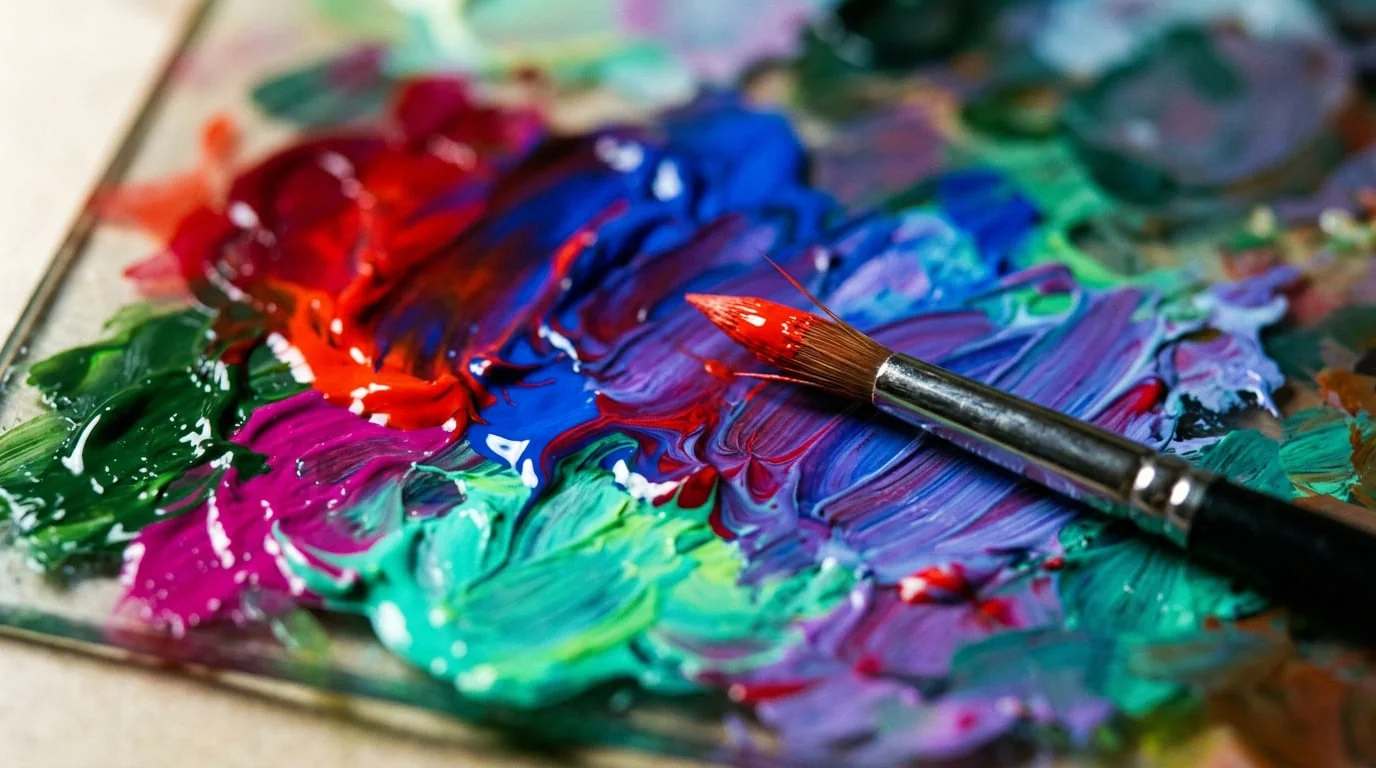
At Art Basel, the works that stop collectors mid-stride are rarely small. They command the room. They alter the atmosphere. They make the architecture around them feel purposeful rather than incidental. Collectors and interior designers who invest in large-format fine art for luxury interiors consistently report that it changes how they inhabit their homes entirely. Rooms that once felt merely expensive begin to feel genuinely alive.
This is the distinction that separates decorating from collecting. One fills space. The other transforms it. As Architectural Digest has noted repeatedly in its coverage of the world's most compelling private residences, the works that define a space are almost always original, almost always large, and almost always chosen for emotional resonance rather than mere coordination.
Color as a Psychological Force
Beyond texture and scale, there is a third dimension to Gabrielle Benot's work that collectors consistently remark upon: color. Not merely pleasing color, but masterfully balanced, emotionally intelligent color. Palettes that feel inevitable, as though no other combination could have been right. Harmonies that calm without flattening, that energize without agitating.
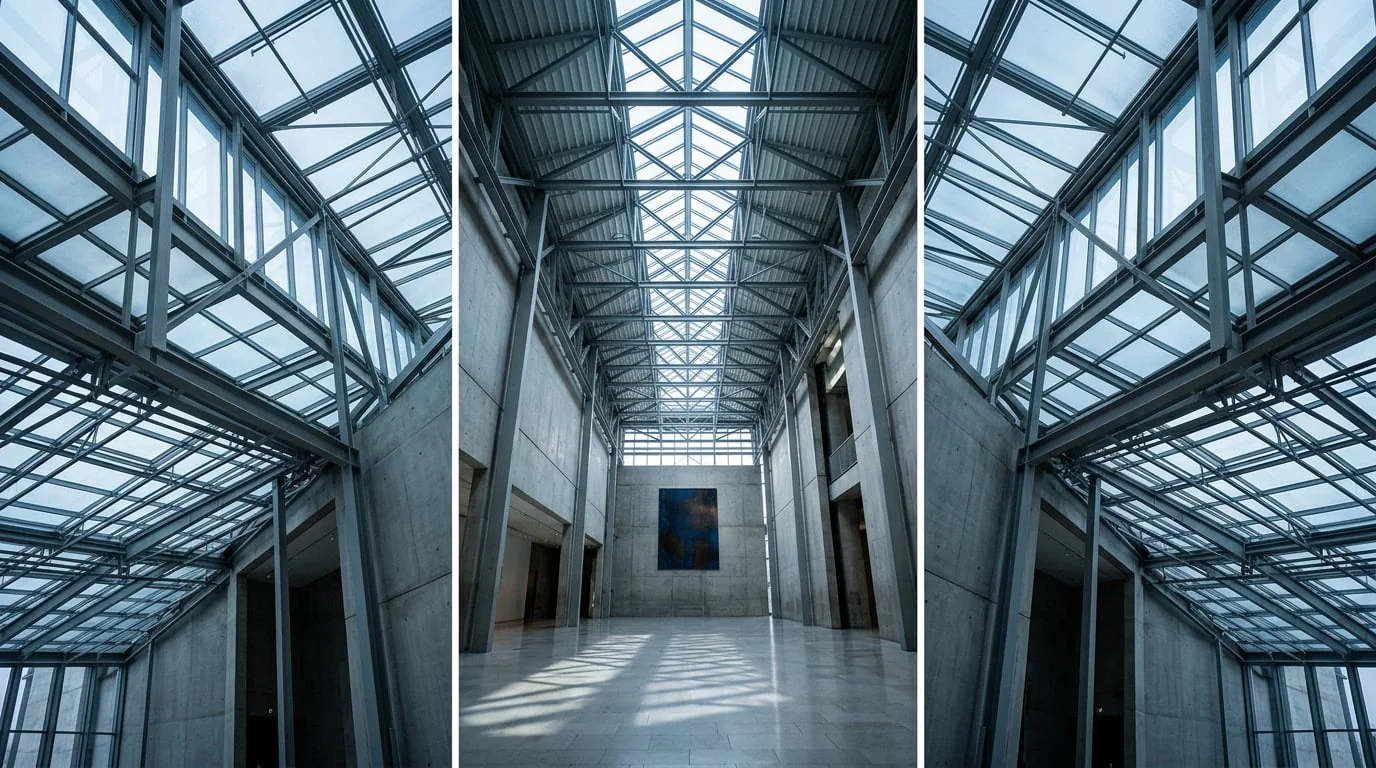
Color psychology is well-documented. Warm tones elevate mood and stimulate conversation. Cool tones reduce cortisol and encourage contemplation. But the most sophisticated color work does not choose between these effects; it holds them in tension, creating spaces that feel both alive and at rest. This is the hallmark of Gabrielle's palette sensibility, and it is one of the primary reasons her work resonates so deeply in residential and hospitality environments alike.
Interior designers sourcing statement art for high-end residential projects frequently cite color harmony as the deciding factor. A work can have extraordinary texture and commanding scale, and still fail to integrate if the color is wrong. Gabrielle's work rarely presents this problem. The palette arrives already resolved, already generous, already in conversation with the light of the room.
The Art You Live With Becomes Part of Who You Are
Philosopher Alain de Botton argues that we decorate our homes not for guests, but for ourselves: as a form of self-definition, a daily reminder of what we value and who we aspire to be. The art we choose is not wallpaper. It is a mirror. It reflects our sensibility, our aspirations, and the quality of attention we are willing to bring to our own lives.
This is why the choice of original fine art over reproduction prints carries such psychological weight. A reproduction is a record. An original is a presence. It carries the energy of its making, the decisions, the revisions, the moments of certainty and doubt that produced the final surface. That history is embedded in the object. You live with it. It becomes part of the texture of your days.
Choosing original work, particularly work with physical depth and emotional resonance, is one of the highest-return investments a person can make in their own psychological environment. Not in the financial sense, though that is often true as well, as institutions like Artsy have documented in their ongoing coverage of the contemporary art market. In the daily, lived, irreplaceable sense.
Explore the full collection of original large-scale fine art at the studio shop, and consider what beauty, genuine, dimensional, unapologetic beauty, could do for the space you come home to. For those drawn to the particular majesty of the equine form rendered in rich impasto, the Equine Fine Art collection offers some of Gabrielle's most emotionally resonant large-scale works.
Frequently Asked Questions
- Does art really affect mental health? Yes. Multiple peer-reviewed studies confirm that exposure to visual art reduces cortisol, lowers anxiety, and increases feelings of meaning and well-being. Hospitals, corporate environments, and luxury residences increasingly incorporate original fine art as a deliberate wellness strategy.
- What size art is best for a large living room wall? For walls over 10 feet wide, art spanning at least 60 to 80 percent of the wall width creates the sense of intentionality and scale that transforms a room. Larger is almost always more powerful than you expect. A single commanding work will consistently outperform a gallery wall of smaller pieces in terms of emotional impact.
- Why does textural art feel different from flat prints? Textural art activates the brain's haptic system, creating a physical, embodied response. The depth and dimension of real paint or mixed media communicate presence in a way that reproductions simply cannot replicate. This is particularly true of works created using the Guscio technique, where layers of material build a surface that interacts with light dynamically throughout the day.
- Is original art worth the investment? Beyond financial appreciation, original art offers something no reproduction can: a unique object with genuine energy, history, and presence. Its psychological return on investment is immediate and daily. For collectors seeking investment-grade contemporary fine art with both aesthetic and appreciating financial value, original works by established artists represent a compelling category.
- How do I choose art that works with my interior design? Begin with emotional response rather than color matching. The works that endure in a space are those that move you first and coordinate second. Consult Gabrielle's process page to understand how each work is conceived, and reach out directly for guidance on scale and placement for your specific space.