Discover the psychology of color in luxury fine art: why certain hues stop us cold, and what collectors should know when choosing art by color palette.
The Pull You Cannot Explain
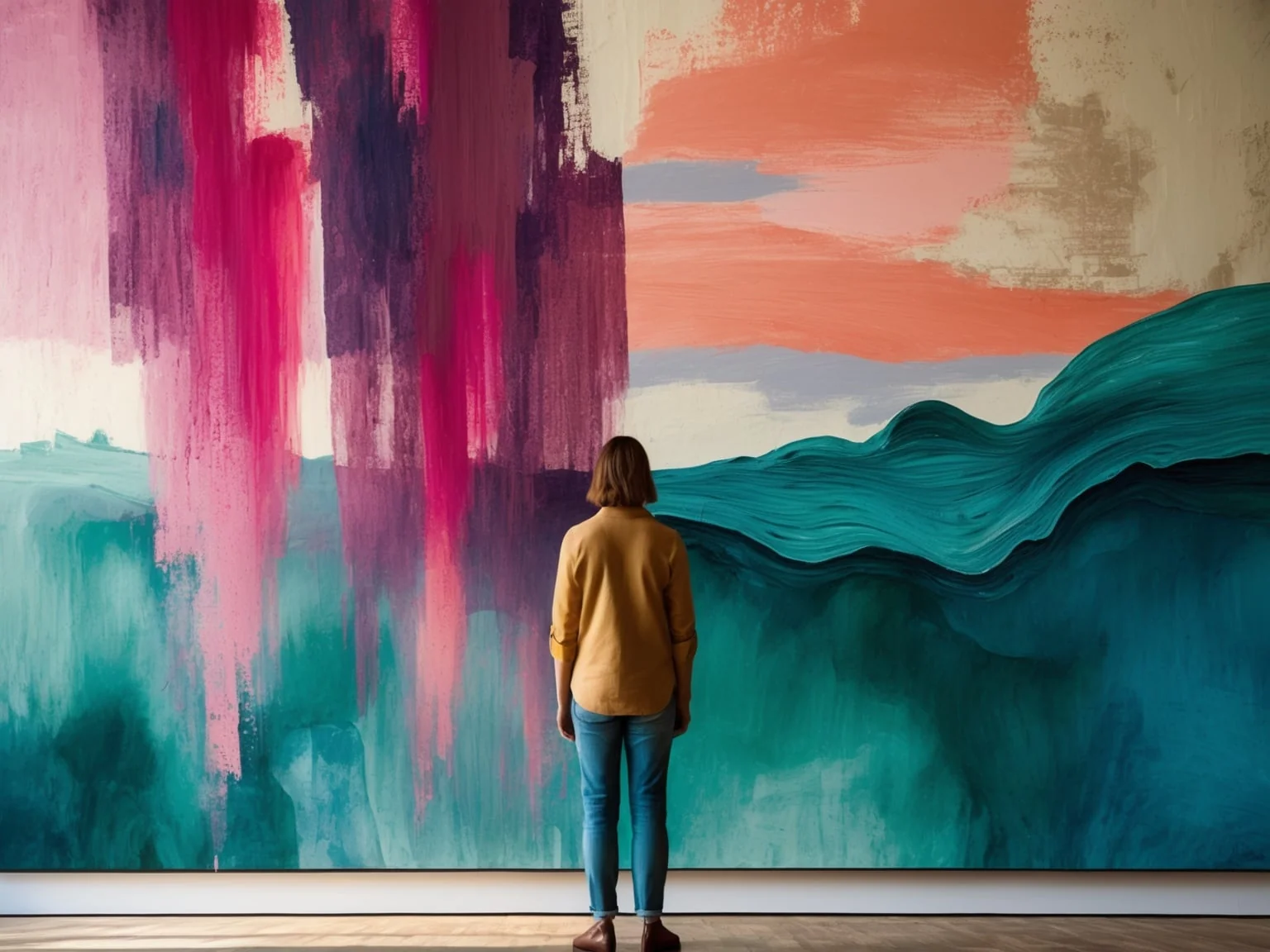
You walk into a gallery, a hotel lobby, a friend's living room, and one piece holds you. Not because of its subject matter. Not because of its size. Because of its color. Something in the pigment speaks before your mind has time to form a sentence. You feel it in your chest before your eyes have finished scanning the room. That moment of arrest, that involuntary pause, is one of the most profound experiences art can deliver.
This is not coincidence. It is neuroscience, memory, and primal instinct converging in a single visual moment. And for collectors who understand this, it becomes the most reliable compass they have.
Color as Emotional Architecture
Researchers have long studied how color bypasses rational thought and reaches the limbic system, the part of the brain governing emotion and memory. Warm ochres and burnt siennas trigger feelings of warmth, safety, and earth. Deep cobalt blues invoke stillness, depth, even longing. Crimson reds accelerate the pulse. Sage greens quiet the nervous system. These are not metaphors. They are measurable physiological responses, documented across decades of perceptual psychology research.
Mark Rothko understood this with almost frightening precision. His monumental color field paintings were never about hue for its own sake. They were about creating a frequency, a resonance that viewers could physically feel standing before a canvas. He reportedly wept when his Seagram Murals were installed, believing the color alone could alter a person's emotional state.
He was right.
What Rothko intuited, contemporary collectors are now beginning to articulate: the emotional weight of a room is determined less by its furniture or its architecture than by the colors living on its walls. Institutions like the Museum of Modern Art have built entire curatorial philosophies around this understanding, treating color not as decoration but as content.
Color is the first language art speaks. Learning to listen to it is one of the most rewarding, and most transformative, things a collector can do.
Why Your Favorite Color Is Deeply Personal
Color attraction is partly universal and partly autobiographical. Studies from peer-reviewed color psychology research suggest that while cross-cultural preferences exist (blue consistently ranks as globally preferred), individual responses are shaped by personal history, cultural conditioning, and even the quality of light in the place you grew up. The palette that moves you is not arbitrary. It is a record of your life.
A person raised near the California coast will often respond viscerally to layered aquas and warm whites. Someone with a childhood defined by forest landscapes may find themselves inexplicably drawn to deep forest greens and raw umbers. The color that stops you is, in many ways, a mirror. It reflects not just aesthetic preference but emotional memory, the accumulated sensory archive of everywhere you have ever been and everything you have ever felt.
This is why experienced art advisors and interior designers at the level of Architectural Digest consistently advise clients to begin the art acquisition process not with style or medium, but with color. Ask yourself which palettes make you feel most alive, most settled, most like yourself. The answer will lead you to the right work far more reliably than any trend report.
Texture Changes Everything
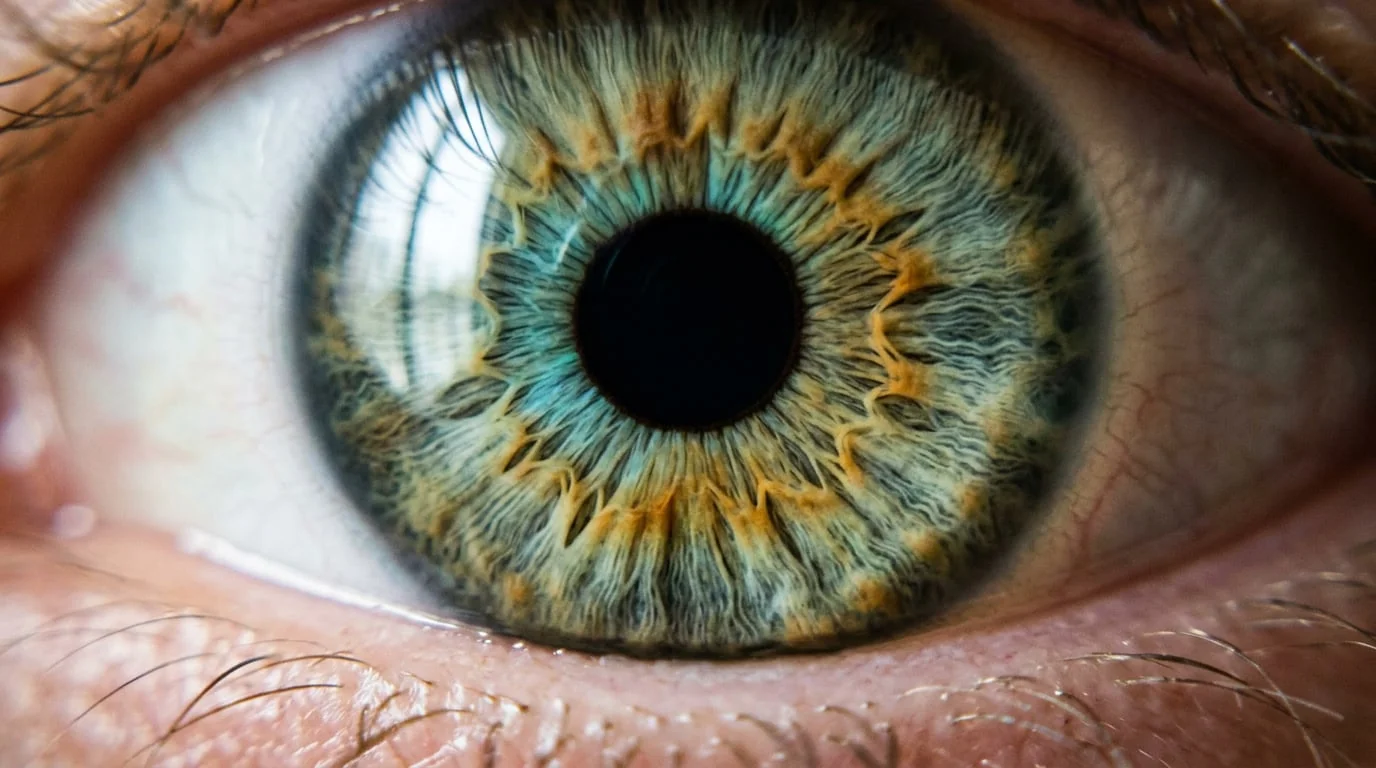
Color in flat reproduction is one thing. Color built into physical texture is something else entirely. When pigment is layered, scraped, and built up into relief, it catches light differently at every hour of the day. The same piece reads as gold at noon and amber at dusk. This dimensional quality amplifies emotional response because the eye is never quite finished looking. There is always another angle, another hour of light, another discovery waiting in the surface.
This is precisely why the abstract works in Gabrielle Benot's collection provoke such strong reactions in collectors. The signature Guscio technique builds color into sculptural layers, so the pigment is not merely seen but felt at a distance. Collectors frequently describe standing in front of a piece and being unable to identify exactly what draws them in. The answer is almost always the interplay of color and surface. The texture does not simply support the color; it multiplies it, creating a visual experience that shifts and breathes with the changing light of the room.

This is also what distinguishes Gabrielle's equine fine art from conventional horse portraiture. The color harmonies she selects, rich, unexpected, and deeply considered, transform a familiar subject into something that resonates on a purely emotional frequency. Collectors who describe themselves as not particularly drawn to equine subjects find themselves stopped cold by these works. The subject is the entry point. The color is the reason they stay.
To understand more about how these layered effects are achieved in the studio, Gabrielle's process page offers a rare and intimate look at how texture and color are built simultaneously, each decision informing the next, until the surface becomes its own landscape.
The Palette as Artistic Signature
Among the qualities that distinguish truly collectible large-scale textural art from decorative work, color mastery is perhaps the most difficult to teach and the most immediately recognizable. Anyone can learn technique. Genuine color intelligence, the ability to construct a palette that is simultaneously surprising and inevitable, harmonious and alive, is a rare gift.
Collectors who have lived with Gabrielle Benot's work consistently note that the color combinations they were initially uncertain about become the ones they love most deeply over time. A pairing that seemed bold in the gallery feels perfectly calibrated in the home. This is the hallmark of a sophisticated colorist: palettes that reward long acquaintance, that reveal new relationships between hues as seasons change and light shifts. The automotive art collection demonstrates this with particular clarity, where metallic surfaces and high-velocity energy are rendered through color choices that feel both visceral and refined.
Choosing Art by Color: What Collectors Should Know
- Trust the visceral response first. If a color stops you, that reaction is data. Do not talk yourself out of it in favor of something safer or more expected.
- Consider the light in your space. Warm directional light enriches golds, reds, and earth tones. Cool northern light makes blues and silvers sing. The same work can read entirely differently depending on the quality of light it lives in.
- Think about emotional register. What do you want the room to feel like? Energized, calm, expansive, intimate? Color is the primary instrument for achieving that emotional tone.
- Scale matters with color. A deep saturated hue on a small canvas reads differently than the same color across a large-scale work. The larger the piece, the more immersive the color experience, and the more powerfully it shapes the atmosphere of the entire room.
- Consider how color will evolve with you. The finest luxury fine art for private collectors is not chosen for a single moment or a single mood. It is chosen for a lifetime. Palettes with genuine depth and complexity will continue to reveal themselves over years of living.
Color is the first language art speaks. Learning to listen to it, to trust it, to let it guide your collecting instincts rather than second-guessing them with logic, is one of the most rewarding things a collector can do. The piece that stops you cold is trying to tell you something. It is worth pausing long enough to hear it.