Explore how Mark Rothko's luminous color fields redefined emotional depth in art, and discover how his legacy lives on in contemporary large-scale textural abstraction today.
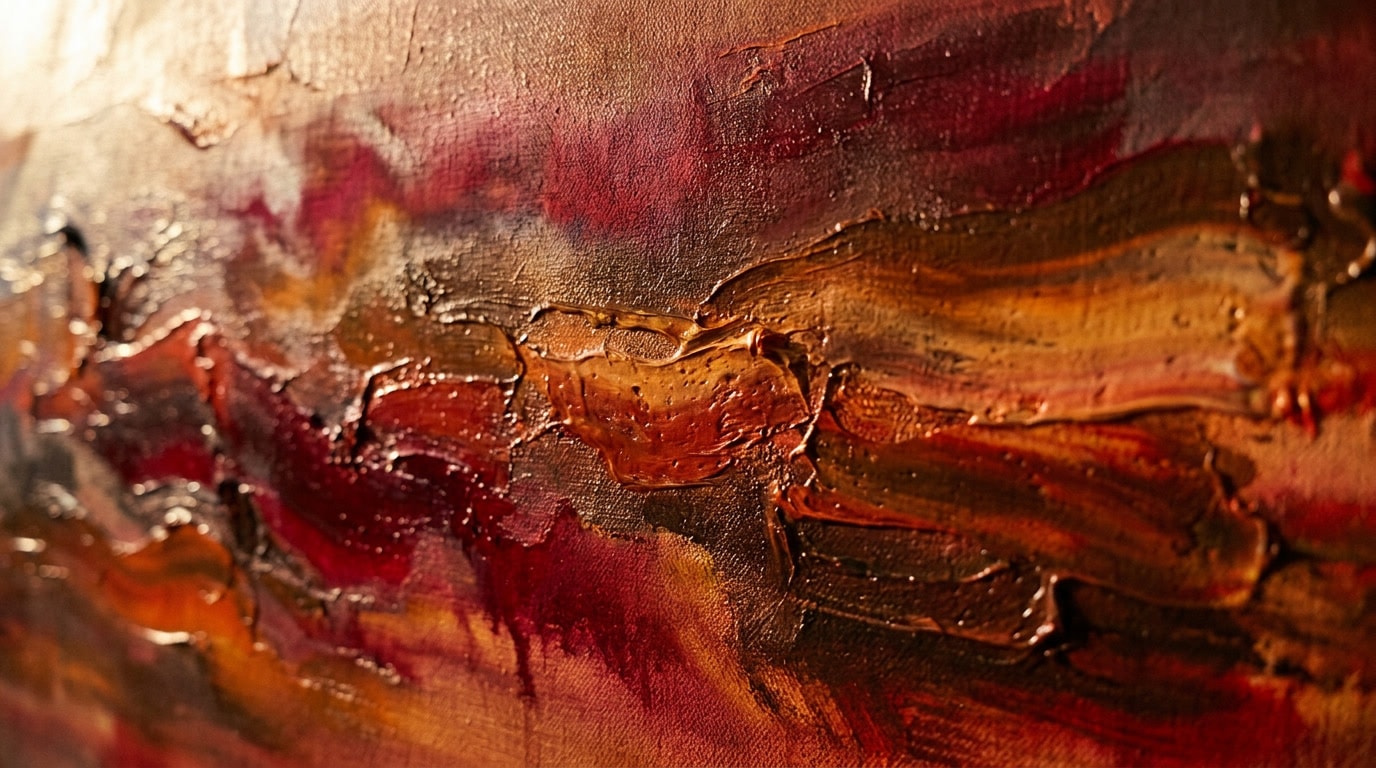
The Silence Inside a Single Color
There is a moment, standing before a Mark Rothko painting, when the room disappears. The conversation stops. Your breath slows. What is happening is not passive observation; it is immersion. A field of deep crimson or luminous amber pulls you into something that feels less like looking at a painting and more like standing inside a feeling.
Rothko himself was adamant: he was not painting color. He was painting human emotion. "I'm interested in expressing basic human emotions," he once said, "tragedy, ecstasy, doom." The color was simply the vessel.
"A single color, applied with absolute intention, can hold more emotional gravity than an entire narrative canvas. This is the radical truth Rothko gave the art world."
Why Color Field Painting Still Matters
The Color Field movement that Rothko helped define alongside artists like Helen Frankenthaler and Barnett Newman was a direct rejection of the over-complicated. Where figurative painting told you what to feel, color field work demanded that you find it yourself. The viewer became an active participant, not a passive audience.
This is precisely why color field abstraction remains so powerful in the contemporary luxury interior. A single large-scale canvas with a commanding chromatic presence does what no decorative piece can: it changes the emotional frequency of an entire room. Architectural Digest has long documented how serious collectors prioritize emotionally resonant abstract works over furniture and architecture itself.
Texture as the Third Dimension of Color
Where Rothko worked in luminous, softly blurred stains of pigment, the most compelling evolution of his legacy in contemporary art is the introduction of physical texture. When color is given dimension, when it rises from the surface, catches light differently at dawn than at dusk, and holds shadow within its own body, it transcends decoration entirely.
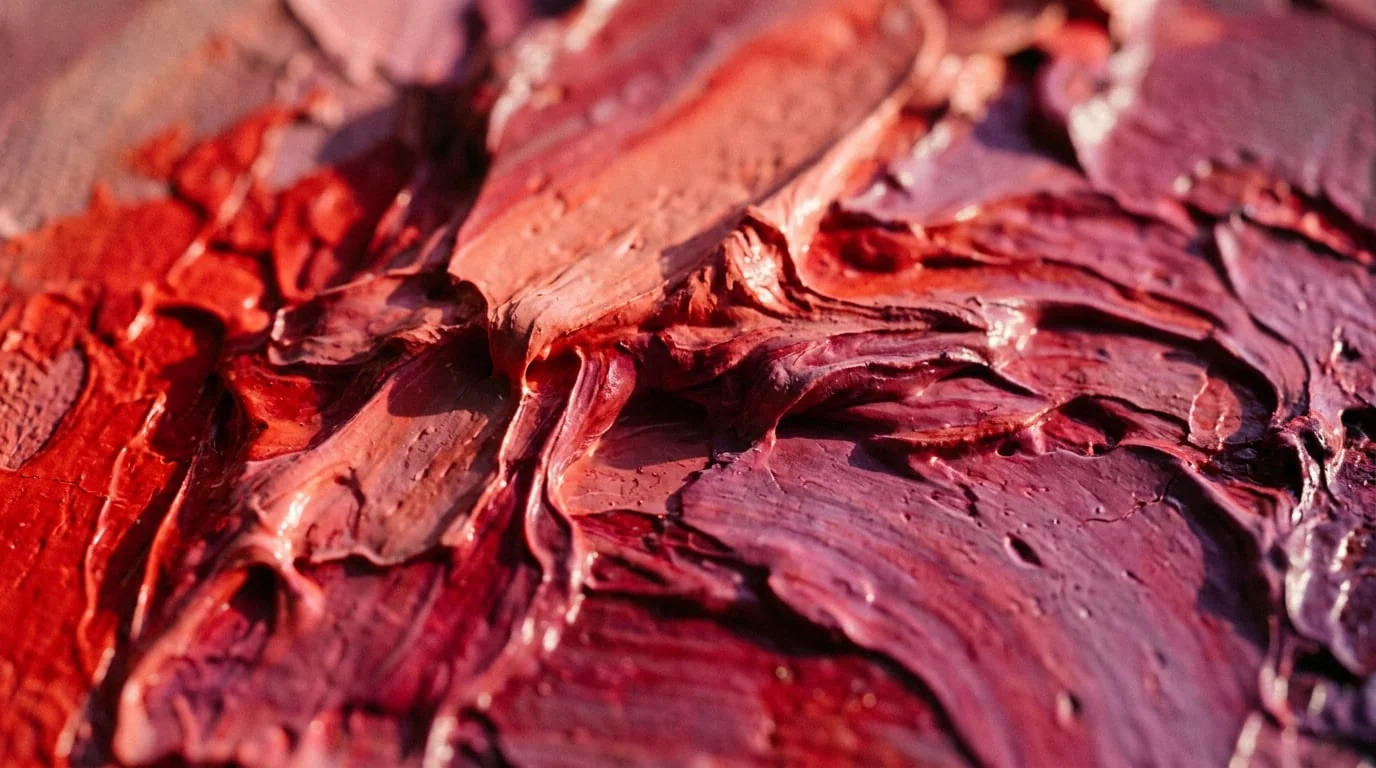
This is the territory explored in the Gabrielle Benot Abstracts Collection, where the Guscio technique builds layered, sculptural surfaces that respond to light the way Rothko's washes responded to the eye: with movement, with mood, with presence. The color is never flat. It breathes.
Choosing a Large-Scale Abstract for Your Space
Collectors frequently ask how to choose the right size abstract painting for a room. The answer is almost always: larger than you think. Rothko's Chapel in Houston was designed so that the paintings became the architecture. Scale is not about filling a wall; it is about commanding the emotional atmosphere of a space.
- For a great room or open living area: a minimum of 60 inches on the longest side anchors the space without competing with it.
- For a bedroom or private study: a single deeply chromatic piece above the bed creates a meditative focal point.
- For a corporate or hospitality environment: large-scale abstract works signal sophistication and cultural literacy in a way nothing else can.
The legacy of Rothko is not nostalgia. It is a living permission to trust that a single, deeply felt color, given space and scale and surface, is enough. More than enough. It is everything.